
Larger than Europe and the United States combined, the African continent is vast and varied. Deciding where to go in Africa is your first decision when planning your safari. Each destination offers an experience that is unique and awe-inspiring: whether you travel to Eastern Africa or Southern Africa, the wildlife will astound you.
East Africa
Kenya, Tanzania, Uganda and Rwanda
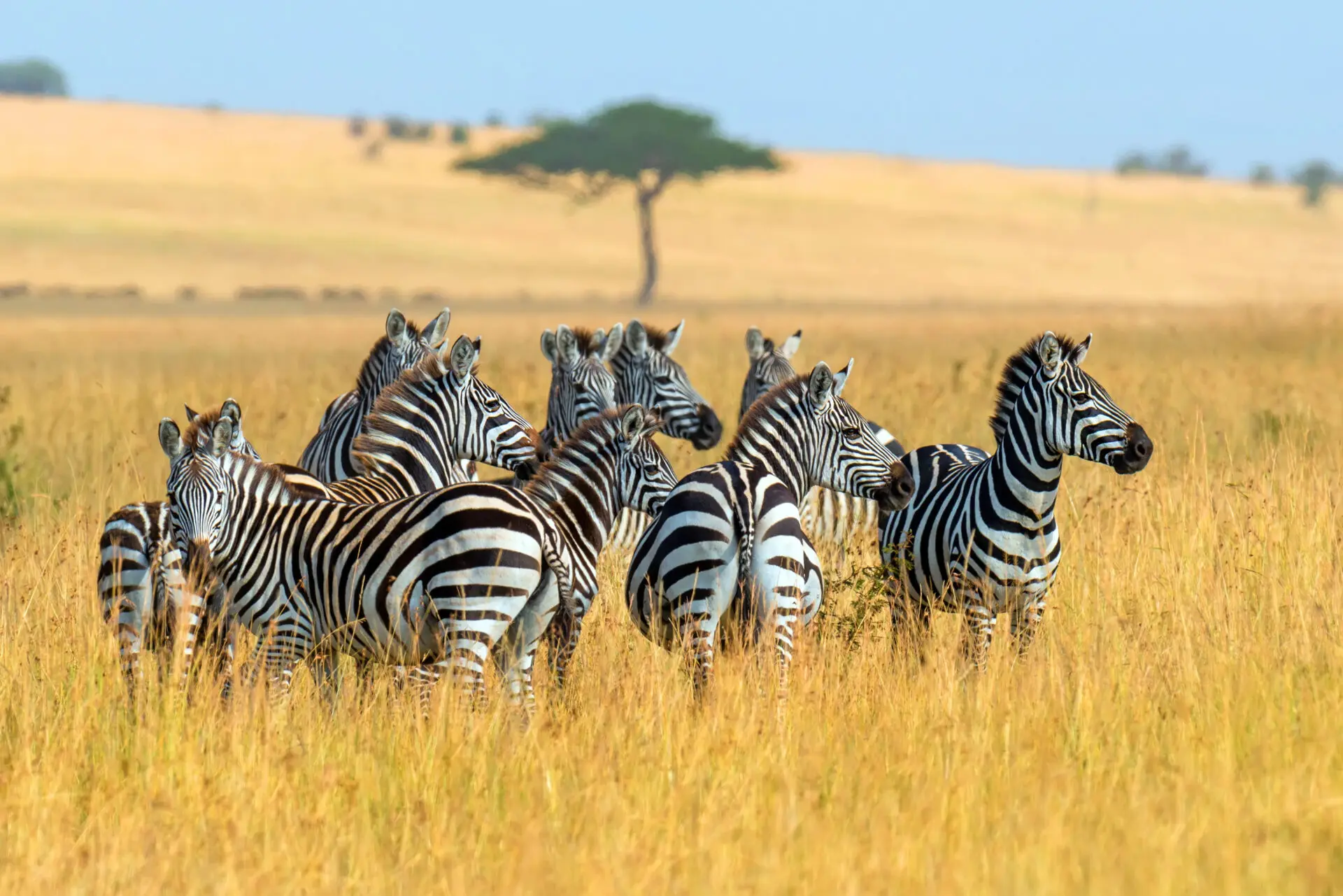
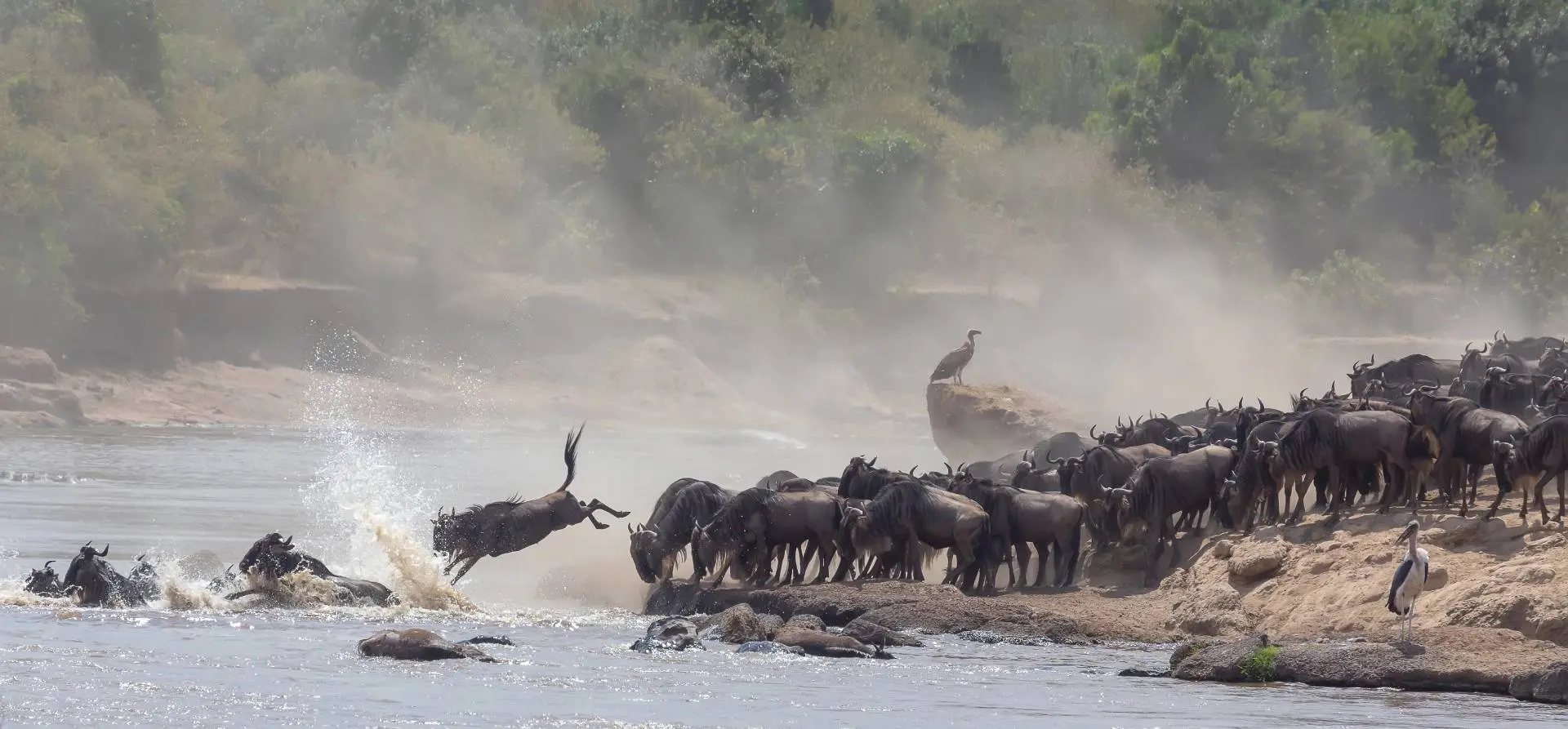
East Africa is renowned for its vast landscapes, abundant wildlife and the Great Migration. Across the Mara–Serengeti ecosystem, seasonal rainfall drives the movement of huge herds of wildebeest and zebra between Kenya and Tanzania, followed closely by predators.
The region offers an extraordinary variety of landscapes and habitats. The open plains of the Masai Mara and Serengeti contrast with the soda lakes of the Rift Valley, the baobab-studded landscapes of Tarangire and the Ngorongoro Crater. Further west, Uganda and Rwanda offer lush forests, volcanic landscapes and some of Africa’s most rewarding primate experiences. Mount Kilimanjaro, Africa’s highest mountain, provides another of East Africa’s iconic landscapes.
Most wildlife viewing takes place by 4WD safari vehicle. Off-road and night driving are generally not permitted within national parks and game reserves, but may be possible in private conservancies and concessions, particularly in Kenya. Walking safaris are also available in selected areas, offering a different way to experience the landscape and wildlife.
East Africa also offers excellent opportunities to combine wildlife viewing with cultural experiences, including visits with Maasai, Samburu and Hadzabe communities. Other highlights include hot-air balloon safaris over the savannah and trekking to see mountain gorillas and chimpanzees in Uganda and Rwanda. A safari can also be combined with time on the Indian Ocean coast or islands such as Zanzibar.
Key aspects of safaris in East Africa
- Rwanda is particularly renowned for mountain gorilla trekking and its dramatic volcanic and forest landscapes
- Wide-open spaces and the diverse landscapes of the Rift Valley
- Vast herds of wildebeest and zebra, including the Great Migration
- Two main dry seasons: January to March and June to October
- Two wet seasons: the long rains and the short rains
- Kenya offers private wildlife conservancies where off-road driving and night drives may be possible
- Tanzania is renowned for the Serengeti, Ngorongoro Crater and vast wilderness areas, with safaris generally conducted in 4WD vehicles with opening roof hatches
- Uganda combines traditional wildlife viewing with exceptional gorilla and chimpanzee trekking
- Rwanda is particularly renowned for mountain gorilla trekking and its dramatic volcanic and forest landscapes


Southern Africa
South Africa, Botswana, Zambia, Namibia, Zimbabwe, Malawi and Mozambique
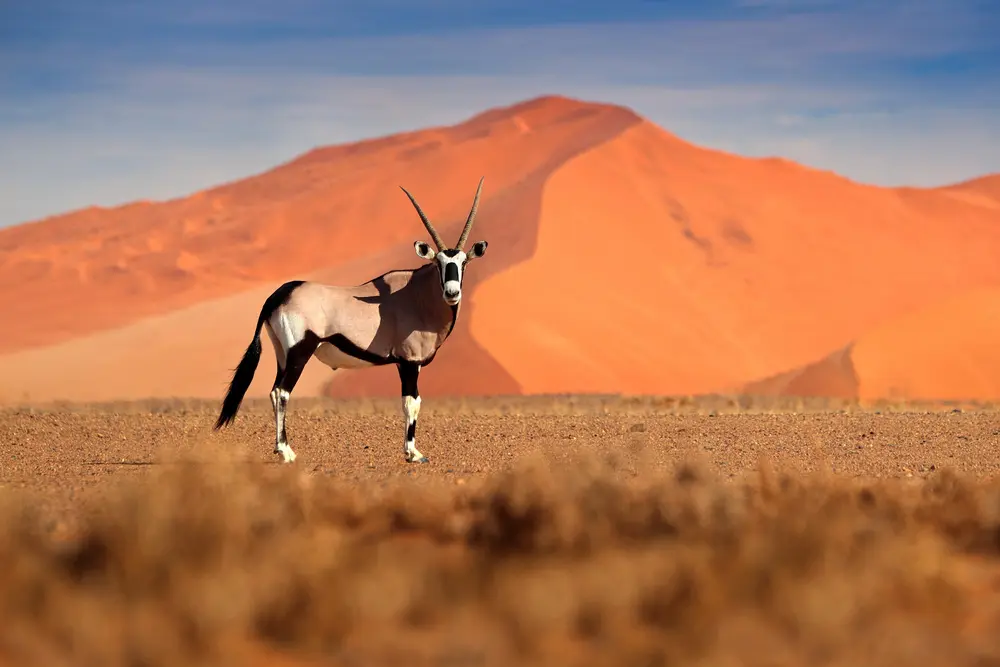
Southern Africa offers an extraordinary variety of landscapes and safari experiences. Habitats range from grassy savannas and woodland to the wetlands of the Okavango Delta, the deserts of the Namib and Kalahari, the rugged Drakensberg Mountains and the mighty Zambezi River and Victoria Falls. Beyond safari, the region also offers spectacular coastlines, Cape Town and the surrounding Winelands.
Water and seasonality play an important role in shaping the safari experience. The summer rains transform many wildlife areas into lush green landscapes, while the drier months generally see animals concentrating around rivers and permanent water sources. In Botswana, rainfall originating in the Angolan highlands travels south to create the annual flood of the Okavango Delta, bringing water into the region during the dry season.
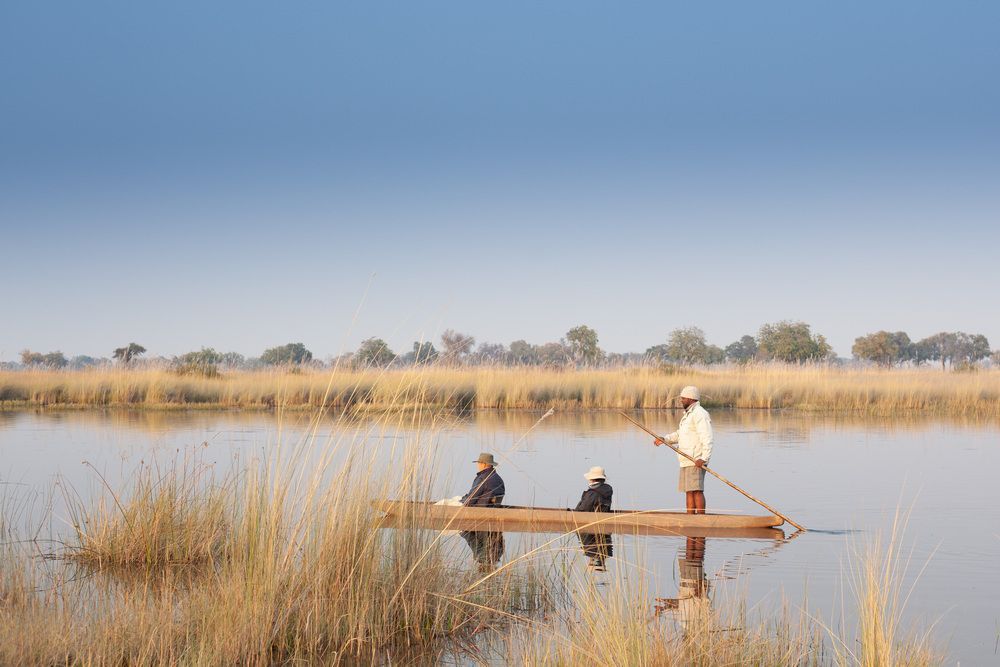
One of the great strengths of Southern Africa is the diversity of ways in which wildlife can be experienced. Open 4WD game drives are common, while many private reserves and concessions also allow off-road driving and night drives. Walking safaris are particularly well established in Zambia and Zimbabwe, and boating and canoeing offer a different perspective in areas such as the Okavango Delta, Chobe and along the Zambezi River.
Private reserves and concessions are an important part of the safari experience, particularly in Botswana and South Africa. Many have smaller camps and lodges, fewer vehicles and greater flexibility in safari activities, creating a more intimate wildlife experience. Light aircraft flights are commonly used to connect remote camps, particularly in Botswana, Zambia and Zimbabwe.
Southern Africa also offers excellent cultural and historical experiences. These range from encounters with San communities in Botswana and Namibia to the cultural heritage of KwaZulu-Natal, alongside the history, food and wine of Cape Town and the Cape Winelands.
Key aspects of safaris in Southern Africa
- Diverse landscapes ranging from deserts and savannas to wetlands, rivers and mountains
- Excellent wildlife viewing in Botswana, South Africa, Zimbabwe and Zambia
- Smaller camps and private reserves or concessions offering more intimate safari experiences
- Open 4WD game drives, with off-road driving and night drives available in many private wildlife areas
- Outstanding walking safaris, particularly in Zambia and Zimbabwe
- Boat, canoe and mokoro safaris in selected river and wetland areas
- The Okavango Delta, Victoria Falls, the Zambezi River, Namib Desert and Greater Kruger are among the region’s major highlights
- The main dry safari season generally runs from May to October, although the best time to travel varies considerably by destination
- Light aircraft flights between remote safari areas are common
- Easy to combine a safari with destinations such as Cape Town, the Winelands, Victoria Falls or the coast