Safari costs can vary widely, but understanding the main influences makes it much easier to plan with confidence.
Every safari is designed around your interests, travel style and budget. We help you make the most of your time and money, with as many costs included from the outset as possible, so you can travel without unpleasant surprises.
The prices shown on our website are based on two people sharing and travelling together during the low season. Costs can vary considerably by itinerary and season, so we will always talk you through the details before you book.
Understanding your tailored estimate
Your proposal will clearly show what is included in the price, such as accommodation, meals, activities, transfers and internal flights where applicable. It will also highlight any costs that are not included, such as visas, gratuities, international flights, so you know exactly what to expect.
Once we understand your priorities, travel dates and preferred level of accommodation, we can prepare an itinerary and price that is tailored to you.
How regional choices affect safari prices
Safari prices can differ significantly between Southern Africa and East Africa. Accommodation, internal flights, park fees, permits, travel distances and the season all influence the final cost.
East Africa
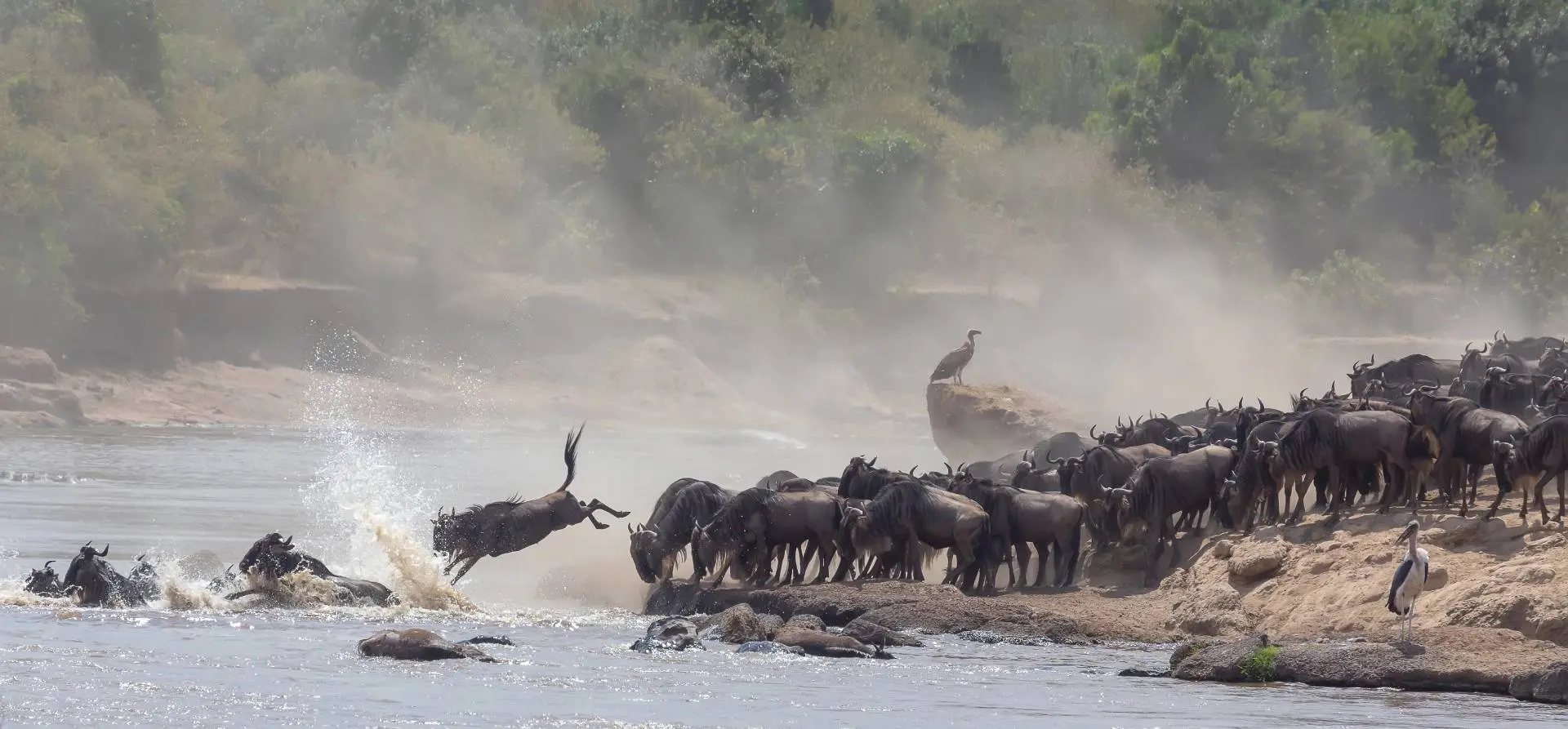
In East Africa, costs can be influenced by the Great Migration, gorilla trekking permits, internal flights and the distance between safari areas. Kenya, Tanzania, Rwanda, Uganda and Zanzibar each offer different options and price points. Read more…
Southern Africa
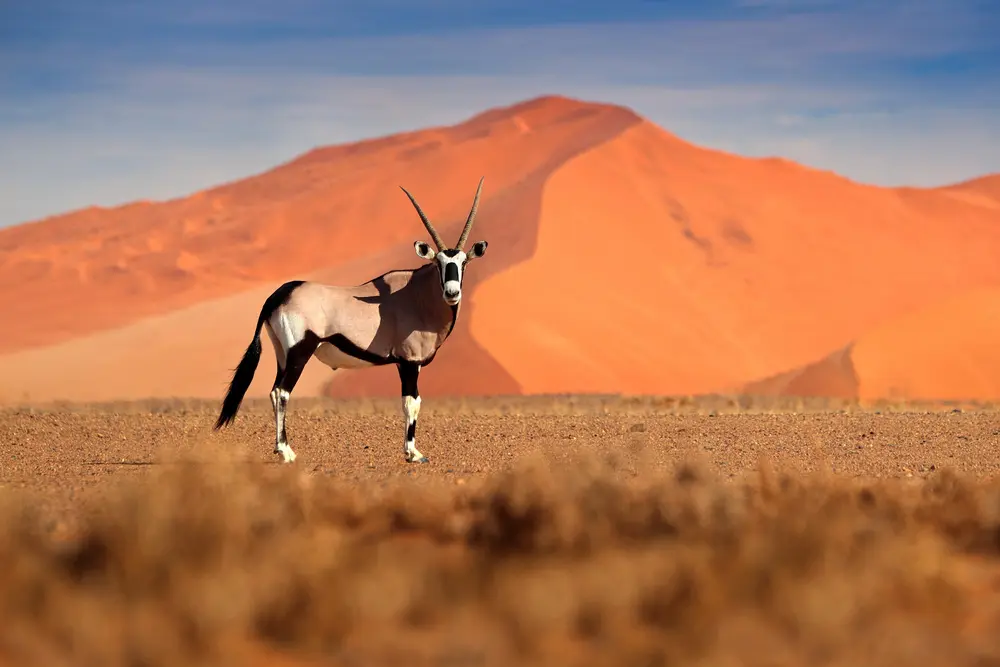
In Southern Africa, the cost can vary with the type of camp, private concessions, road or air travel and the number of places included in your itinerary. South Africa, Namibia, Botswana, Zimbabwe and Zambia offer a wide range of safari styles and budgets. Read more…
Six key factors have the greatest influence on the cost of your safari.
Factors that shape safari pricing
Accommodation
Safari camps and lodges can range from US$250 to US$1,000 or more per person, per night, before transfers between regions or camps. Prices often include meals, game drives and most wildlife viewing activities. Some properties also include drinks and laundry. When these inclusions are considered, safari accommodation can offer excellent value.
Length of your safari
Your daily budget is a useful guide to how long you can travel. Reducing a trip by a few days can lower the overall cost, while travelling to fewer areas can also reduce transfer and regional flight costs. Staying three nights in one place often gives you time to enjoy the area and its activities at a more relaxed pace.
Moving around too often can mean seeing less of what you travelled to Africa to experience. Getting to Africa is a significant investment, so we encourage you to spend as much time as you can. A little more time can make the journey feel far more rewarding.
Time of year
Rates can change significantly throughout the year. Popular wildlife viewing periods are often in high demand, while quieter seasons can offer lower prices, fewer visitors and a wonderful safari experience. If you have flexibility with your travel dates, we can help you find the best balance of value, wildlife viewing and availability.
Number of travellers
A private safari for four guests can be more affordable per person than the same itinerary for two, because certain costs, such as vehicles and transfers, are shared. Small group departures can also offer good value, as the itinerary costs are shared across the group.
Small group or tailor made safari?
Many guests enjoy a combination of small group travel and independent travel. Small group safaris and tours are often limited to six to sixteen participants. A tailor made safari offers greater flexibility over your departure date, length of travel and choice of camps. Whichever style you choose, we ensure there is someone to meet you on arrival and help you feel well looked after throughout your journey.
Travel by road or air?
Travel by road or air is an important choice when planning your safari. Flights are usually the quickest option and can give you more time at each camp. Road travel can be less expensive and provides an opportunity to see the countryside and local communities between destinations.
Small aircraft are commonly used between safari camps, so we will discuss this with you if you have concerns about flying. Road journeys can cover long distances and may be tiring, but they can also add a memorable perspective on the places you visit. We will help you choose the approach that best suits your comfort, budget and interests.