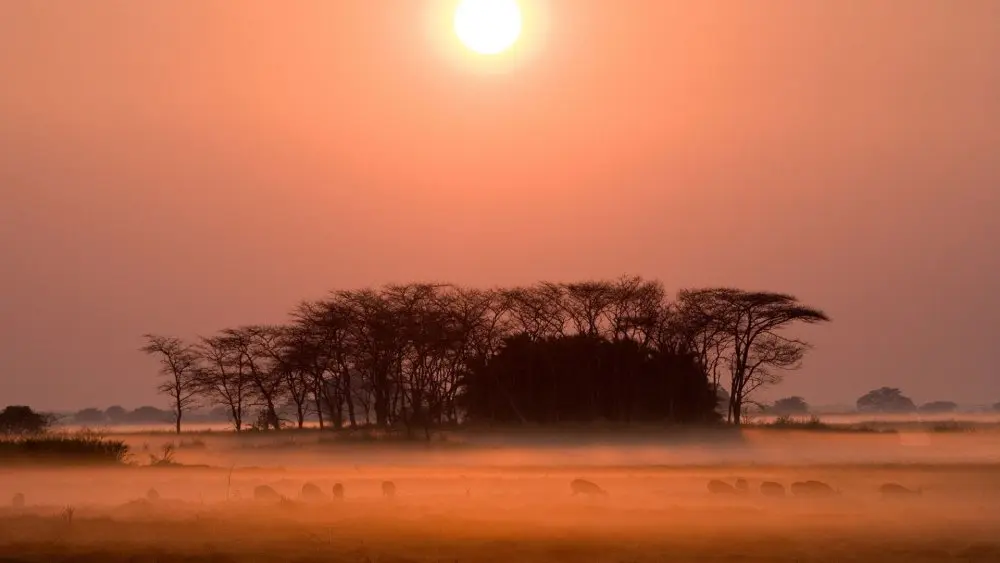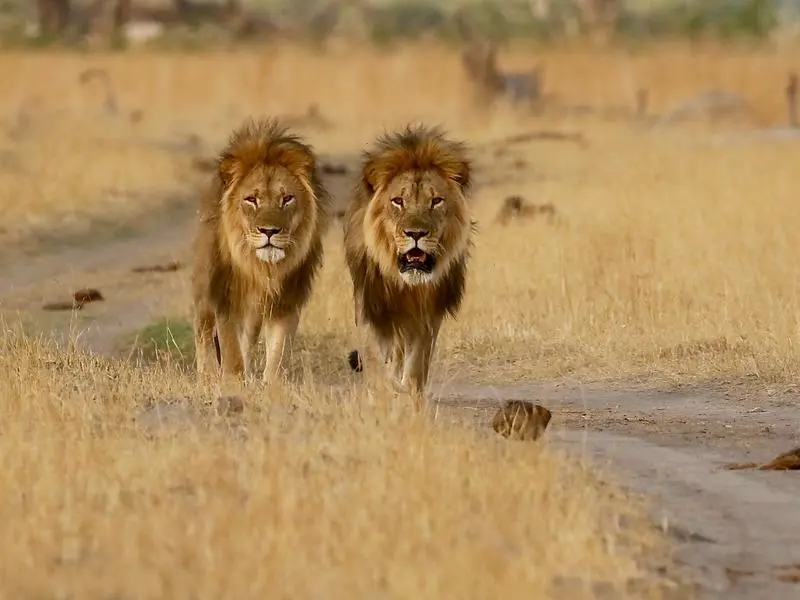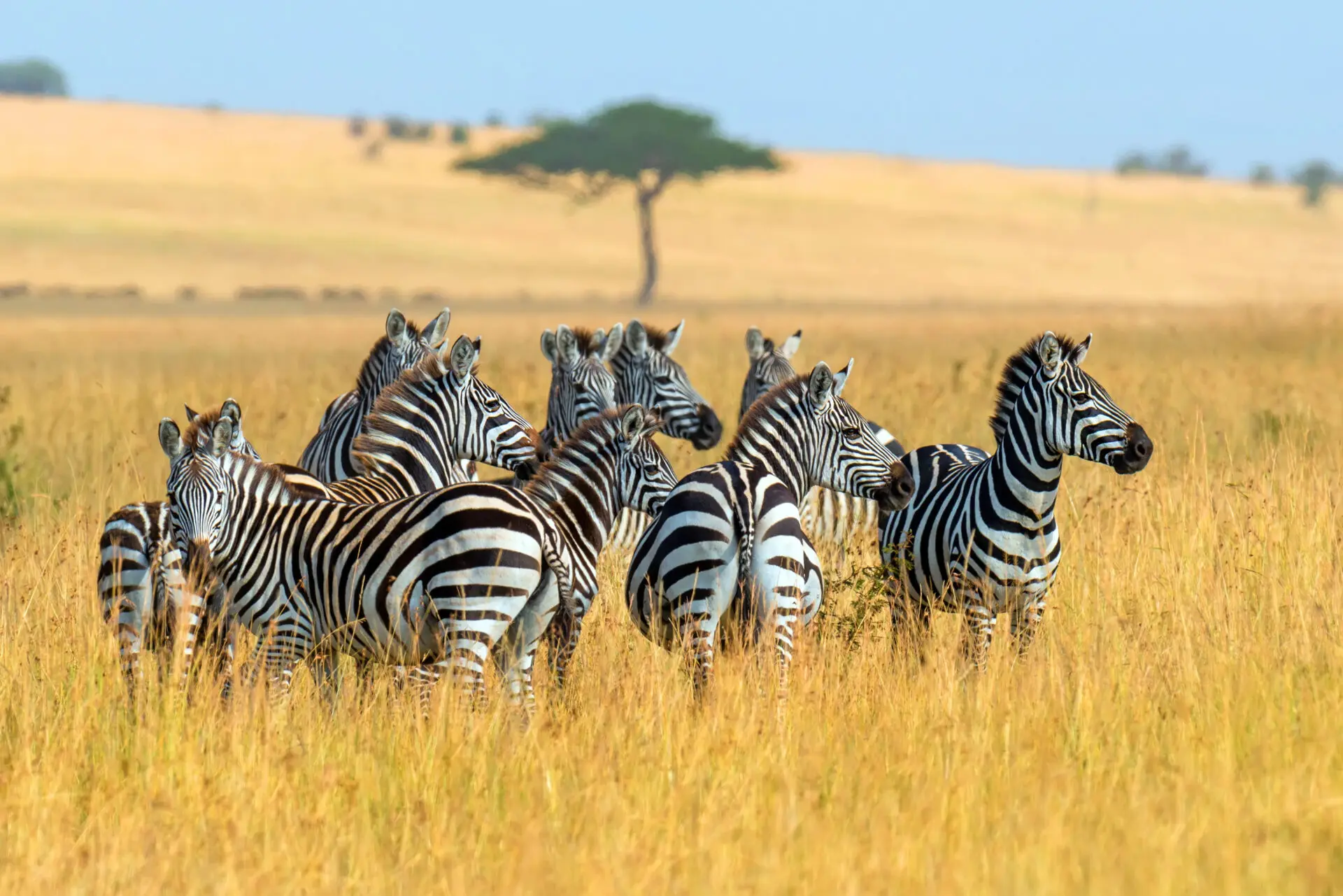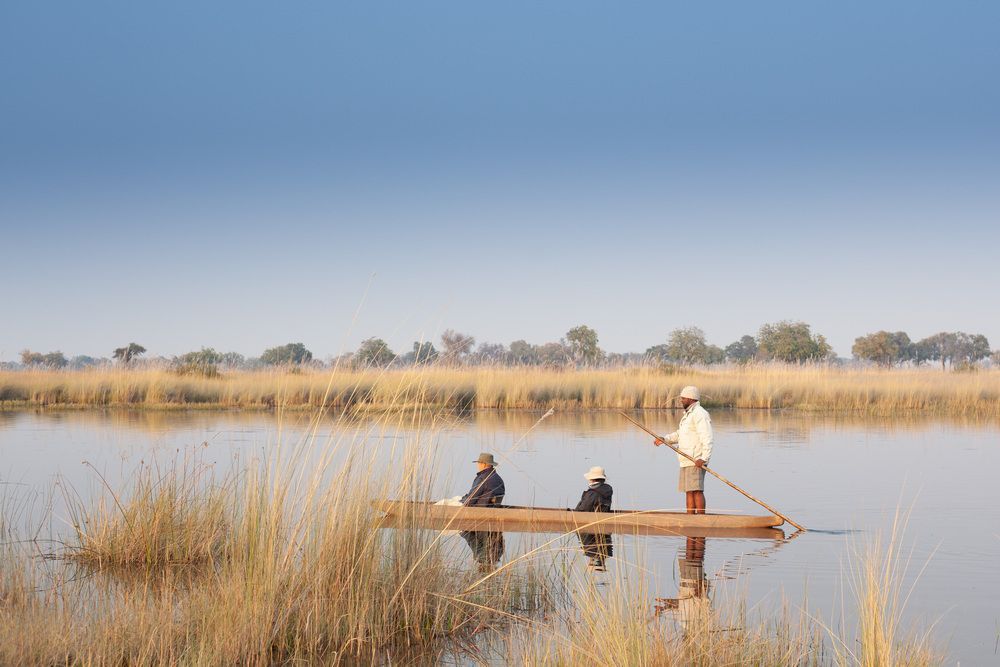
November is one of Africa’s most interesting transition months. Across East Africa, the shorter rains begin to refresh landscapes that have been dry for months, while Southern Africa starts moving into its green season. The first thunderstorms can transform the bush almost overnight, bringing fresh grazing, dramatic skies, returning migrant birds and the first flush of new life.
It is also a month when visitor numbers can be lower and some camps and lodges offer better value than during peak season. The trade off is greater weather variability. Rain may be brief and localised, or there can be heavier periods that affect roads and activities. Choosing the right destination matters more in November than it does in the middle of the dry season.
Where to go on safari in East Africa in November?
November usually brings the shorter rainy season to much of East Africa. Conditions remain warm, but fresh grass and water begin returning to the landscape. Rainfall can vary considerably from place to place and from year to year, so November is best approached as a flexible green season safari month rather than a predictable wet period.
| Country | Safari Area | Rating | Typical Temperatures | Typical Rainfall |
|---|---|---|---|---|
| Kenya | Masai Mara | GOOD | 12°C to 27°C | Approx. 155 mm |
| Tanzania | Serengeti | GOOD | 15°C to 27°C | Approx. 91 mm |
| Rwanda | Volcanoes National Park | MIXED | 8°C to 15°C | Approx. 175 mm |
| Uganda | Bwindi Impenetrable National Park | MIXED | 12°C to 21°C | Approx. 157 mm |
Tanzania
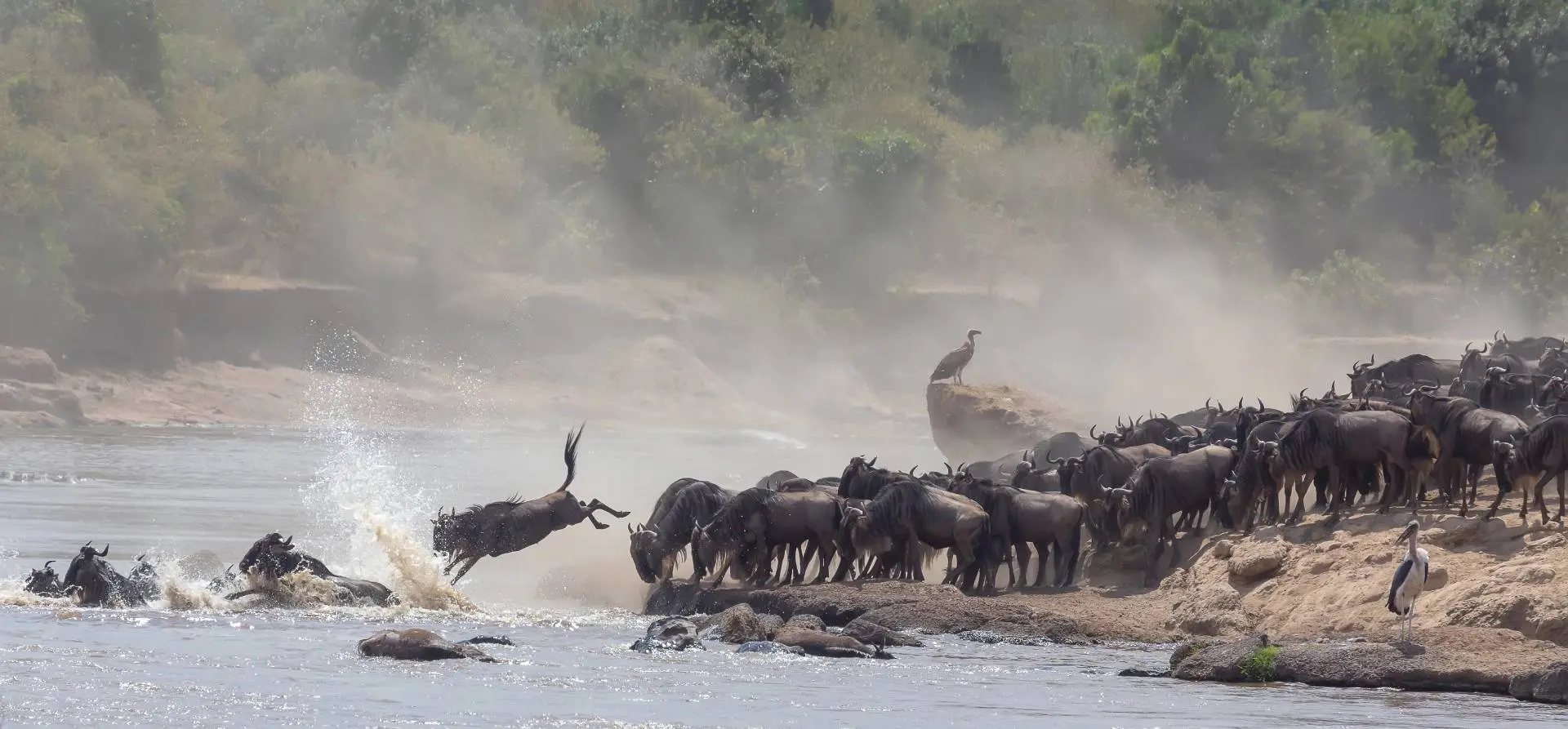
November can be a fascinating month in Tanzania, especially for travellers following the Great Wildebeest and Zebra Migration.
As seasonal rains return, the migration generally begins moving south again from the northern Serengeti National Park towards central and southern areas. The exact movement depends on rainfall and fresh grazing, so herds may be spread across several parts of the Serengeti during the month.
This southward movement creates a very different experience from the river crossing months. The landscape becomes greener, visitor numbers are lower in many areas and large concentrations of plains game still support excellent predator activity.
Northern Tanzania remains particularly rewarding because the Serengeti, Ngorongoro Conservation Area and Tarangire can be combined within one itinerary. Rain can make some tracks slower or muddier, but it should not automatically be viewed as a reason to avoid the region.
Kenya
November is part of Kenya’s shorter rainy season, although the timing and amount of rain varies from year to year. The greater Masai Mara ecosystem remains excellent for resident wildlife even though the main migration herds are generally moving back towards Tanzania.
Fresh vegetation gives the landscape a greener appearance, birdlife improves and lower visitor numbers can make safari areas feel much quieter than during the migration peak.
Private conservancies can be particularly appealing at this time of year because of their lower vehicle numbers and, depending on the conservancy, activities such as guided walks, night drives and off road game viewing.
Rwanda and Uganda
November is one of the wetter months for gorilla trekking in Rwanda and Uganda. Trails can be muddy and slippery, but mountain gorillas can be tracked throughout the year.
For travellers who are comfortable with rainforest conditions, November can still be rewarding because visitor numbers may be lower than during the main dry season months. Waterproof clothing, good footwear and realistic expectations about trail conditions are important.
Uganda also allows gorilla trekking to be combined with chimpanzees and traditional wildlife areas, while Rwanda can combine Volcanoes National Park with Akagera National Park.
Where to go on safari in Southern Africa in November?
November marks the beginning of the green season across much of Southern Africa. The hottest part of the year often arrives before the rains become established, and afternoon thunderstorms can be dramatic. Once rain falls, dry landscapes can turn green remarkably quickly.
| Country | Safari Area | Rating | Typical Temperatures | Typical Rainfall |
|---|---|---|---|---|
| Botswana | Khwai / Okavango | GOOD-MIXED | 20°C to 34°C | Approx. 46 mm |
| Madagascar | Andasibe-Mantadia | GOOD-MIXED | 15°C to 28°C | Approx. 132 mm |
| Namibia | Etosha | MIXED | 18°C to 35°C | Approx. 32 mm |
| South Africa | Kruger | GOOD-MIXED | 18°C to 31°C | Approx. 74 mm |
| Zambia | South Luangwa | GOOD-MIXED | 21°C to 34°C | Approx. 88 mm |
| Zimbabwe | Hwange | GOOD-MIXED | 18°C to 32°C | Approx. 65 mm |
Botswana
November is a true transition month in Botswana. Conditions can still be hot and dry in some areas, while other regions may already have received their first significant storms.
As the green season develops, fresh grass appears, migratory birds return and plains game begin taking advantage of renewed grazing. This can also increase predator activity, particularly as more young animals appear later in the season.
The experience is very different from dry season Botswana. Wildlife may become more dispersed as temporary water returns, but the trade off is beautiful light, dramatic skies, excellent birding and fewer visitors in many areas.
Zimbabwe
November can deliver two quite different safari experiences in Zimbabwe. Early in the month, Hwange National Park may still have strong late dry season wildlife concentrations around waterholes. As rain arrives, the landscape begins to green and wildlife starts to spread more widely.
This transition brings returning migrant birds, newborn animals and dramatic storm light. Mana Pools is also changing rapidly at this time of year, although some seasonal operations may begin closing as access becomes less reliable.
Victoria Falls is generally at one of its lower annual water levels in November. This is a very different spectacle from the high water months, with more exposed rock and clearer views into the gorge.
Namibia
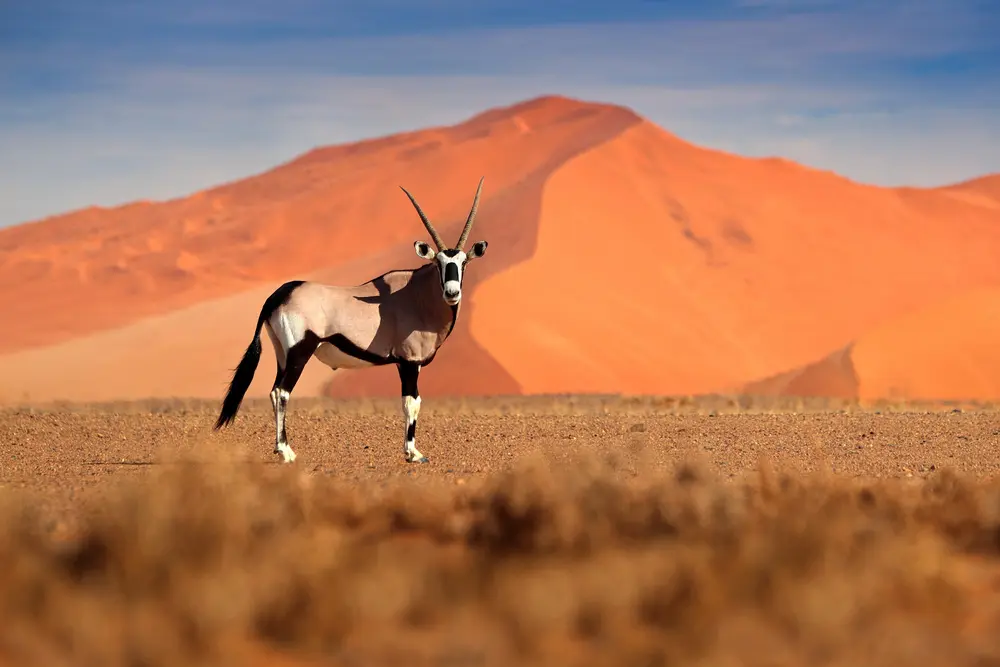
November in Namibia is hot and transitional. Rainfall remains unpredictable, but the first thunderstorms may begin arriving as the country moves towards summer.
In Etosha National Park, wildlife can begin dispersing away from permanent waterholes once rainfall creates temporary water elsewhere. This means game viewing becomes less concentrated than during the peak dry season months.
The upside is birding. Migrant species return, breeding activity increases and the landscape begins changing from dry winter tones towards the greener summer season.
Zambia
November marks the beginning of Zambia’s Emerald Season. Afternoon showers begin transforming the landscape, birdlife becomes increasingly colourful and the bush takes on a very different character from the dry months.
In South Luangwa and Kafue, access can become more difficult as the rains develop and some seasonal camps close. Travellers therefore need to choose accommodation carefully rather than assuming every dry season camp will still be operating.
November also offers two very different wildlife highlights elsewhere in Zambia: the enormous fruit bat gathering around Kasanka National Park and the wildebeest concentrations on the Liuwa Plains. These make Zambia especially interesting for travellers looking beyond the classic Big Five safari.
South Africa
November can be an excellent month in South Africa because different parts of the country are experiencing very different seasonal conditions.
In Kruger National Park and the surrounding private reserves, summer rains bring greener vegetation, migrant birds, dramatic thunderstorms and newborn animals. The bush is thicker than during winter, so wildlife may take more effort to find, but the landscape is fresh and alive.
Cape Town and the Western Cape are moving into their warmer, drier summer period, making November a very attractive month for combining the Cape with a safari in the northeast.
Madagascar
November marks the beginning of Madagascar’s wetter summer season. Temperatures rise, humidity increases and rainfall becomes more frequent, particularly as the month progresses.
Wildlife remains excellent and forests become increasingly lush, but longer road based itineraries need more careful planning because heavy rain can affect access in some regions.
Early November can also overlap with the tail end of the humpback whale season in some coastal areas, although sightings become less predictable than during the main winter months.
So, where is best for an African safari in November?
November is ideal for travellers who are comfortable with changing weather and want to experience Africa as the dry season gives way to the green season.
- For the southward Great Migration: Tanzania
- For quieter East African safari areas: Kenya
- For gorilla trekking if you are comfortable with rain: Rwanda and Uganda
- For green season landscapes and birding: Botswana
- For the dry to green season transition: Zimbabwe
- For the Emerald Season and unusual migrations: Zambia
- For Kruger combined with Cape Town: South Africa
- For birding and changing desert landscapes: Namibia
- For lush forests and natural history: Madagascar
The main appeal of November is variety. Some destinations are still holding onto late dry season conditions, while others are already turning green. That makes this a rewarding month for travellers who value fewer visitors, strong birdlife, dramatic weather and a more seasonal safari experience.
If you are thinking about travelling to Africa in November, we can help you compare the different destinations and choose the areas that best suit your interests, travel style and budget. You are welcome to book a phone or Zoom conversation with us to start exploring the possibilities.