September is one of the best months for an African safari. Across much of East and Southern Africa, the long dry season is still in full swing, temperatures are beginning to rise and wildlife is increasingly concentrated around permanent water. It is also an exciting month for the Great Migration in Kenya and Tanzania, while Botswana, Namibia, Zambia and Zimbabwe are all enjoying excellent dry season game viewing.
It is a popular month to travel, so many of the best camps and lodges can fill well in advance. The reward is superb wildlife viewing, generally clear conditions and the opportunity to combine several very different safari experiences within one trip.
Where to go on safari in East Africa in September?
| Country | Safari Area | Rating | Typical Temperatures | Typical Rainfall |
|---|---|---|---|---|
| Kenya | Masai Mara | BEST | 11°C to 27°C | Approx. 95 mm |
| Tanzania | Serengeti | BEST | 14°C to 26°C | Approx. 30 mm |
| Rwanda | Volcanoes National Park | GOOD | 8°C to 14°C | Approx. 140 mm |
| Uganda | Bwindi Impenetrable National Park | GOOD | 12°C to 22°C | Approx. 140 mm |
Kenya and Tanzania
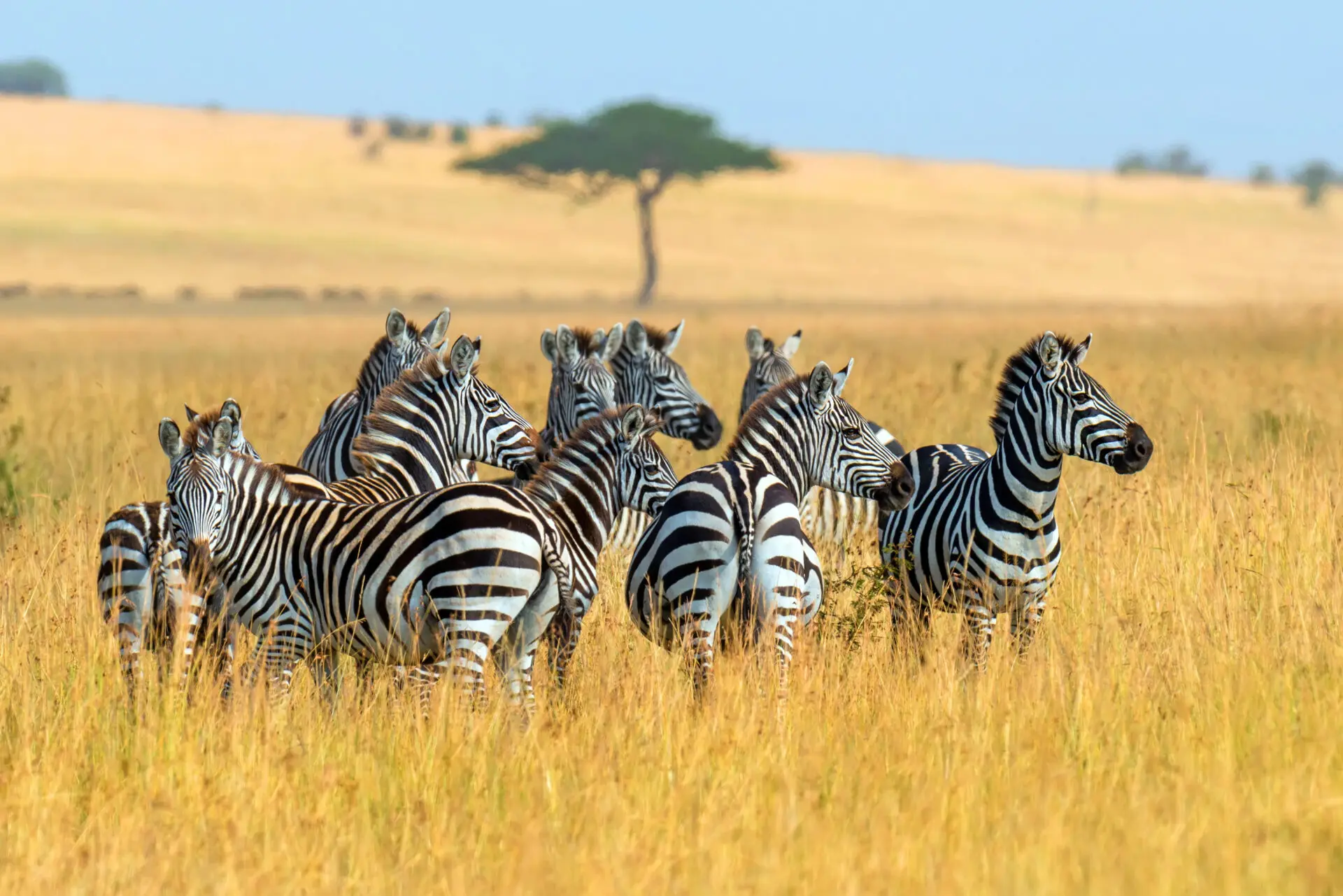
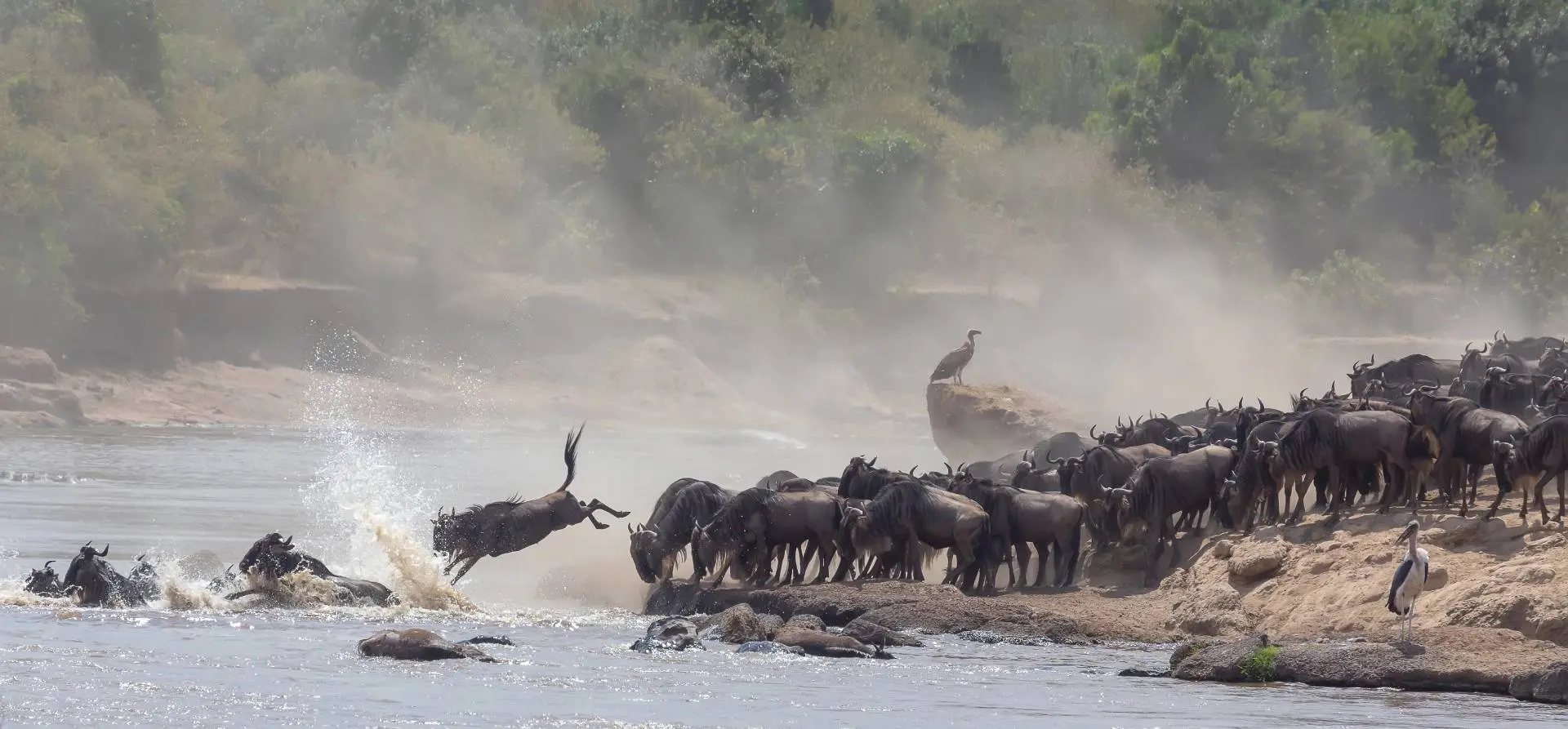
September is still high season in both Kenya and Tanzania and is one of the most exciting months for travellers hoping to experience the Great Wildebeest and Zebra Migration.
At this time of year, large numbers of wildebeest and zebra are generally spread across the northern Serengeti National Park and the greater Masai Mara ecosystem. Some herds may already be well inside Kenya, while others can still be moving through northern Tanzania.
Mara River crossings can still occur during September, but they are never guaranteed and the timing changes from year to year. The herds move in response to rainfall and grazing rather than following a fixed calendar, which is why the migration is best viewed as an ongoing wildlife movement rather than a single event.
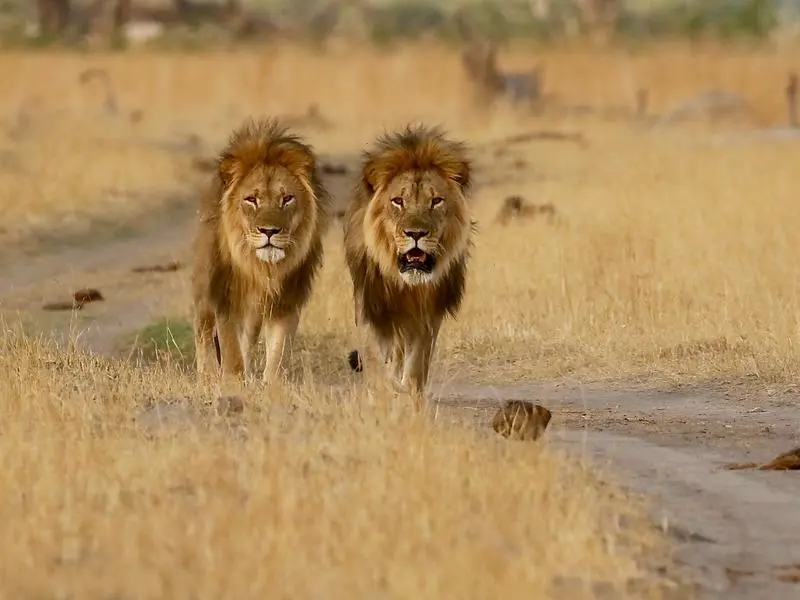
Even without a river crossing, September offers excellent game viewing. Large concentrations of plains game attract lion, cheetah, leopard and hyena, while the dry conditions make wildlife easier to find around remaining water sources.
Kenya’s private wildlife conservancies are also particularly appealing at this time of year, offering lower vehicle numbers at sightings and, depending on the conservancy, activities such as guided walks, night drives and off road game viewing.
Rwanda and Uganda
September can also be a rewarding month for gorilla trekking in Rwanda and Uganda, although conditions begin to change as the month progresses.
Early September often still benefits from the drier conditions of the June to August period. Later in the month, rainfall becomes more likely as both countries move towards their wetter spring season. Mountainous forest environments can receive rain at any time of year, so trekking trails may still be muddy even during relatively dry periods.
In Rwanda, mountain gorillas are tracked in Volcanoes National Park. In Uganda, gorilla trekking takes place in Bwindi Impenetrable National Park and Mgahinga Gorilla National Park. Both countries can also be combined with chimpanzee trekking and traditional wildlife safaris for a broader itinerary.
Where to go on safari in Southern Africa in September?
| Country | Safari Area | Rating | Typical Temperatures | Typical Rainfall |
|---|---|---|---|---|
| Botswana | Khwai / Okavango | BEST | 17°C to 31°C | Approx. 4 mm |
| Madagascar | Andasibe-Mantadia | BEST | 11°C to 23°C | Approx. 58 mm |
| Namibia | Etosha | BEST | 15°C to 32°C | Approx. 2 mm |
| South Africa | Kruger | BEST | 15°C to 28°C | Approx. 19 mm |
| Zambia | South Luangwa | BEST | 19°C to 32°C | Approx. 1 mm |
| Zimbabwe | Hwange | BEST | 16°C to 30°C | Approx. 2 mm |
Botswana
September is an excellent month for a Botswana safari. The country is deep into its dry season, natural water sources are becoming increasingly scarce and wildlife is concentrated around permanent rivers, channels and waterholes.
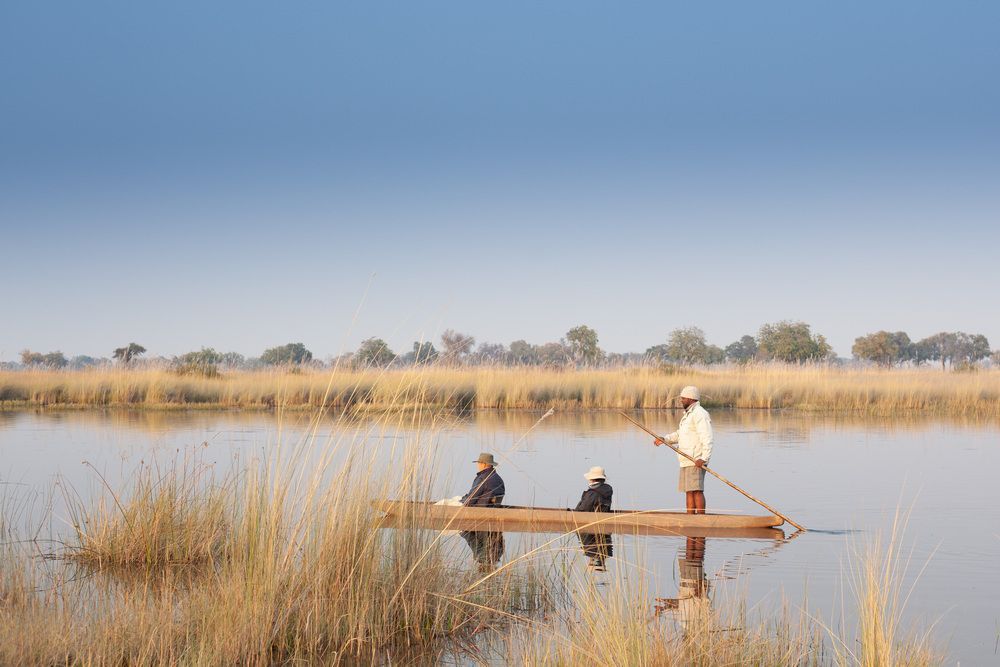
The Okavango Delta remains one of the highlights. Although flood levels vary from year to year and across different parts of the Delta, September often combines permanent and seasonal water with excellent wildlife viewing on the surrounding floodplains and islands.
Chobe and the Linyanti region are also very rewarding as elephant, buffalo and other wildlife gather near permanent water. Temperatures are warming, particularly towards the end of the month, but conditions are generally more comfortable than the intense heat that can arrive in October.
Namibia
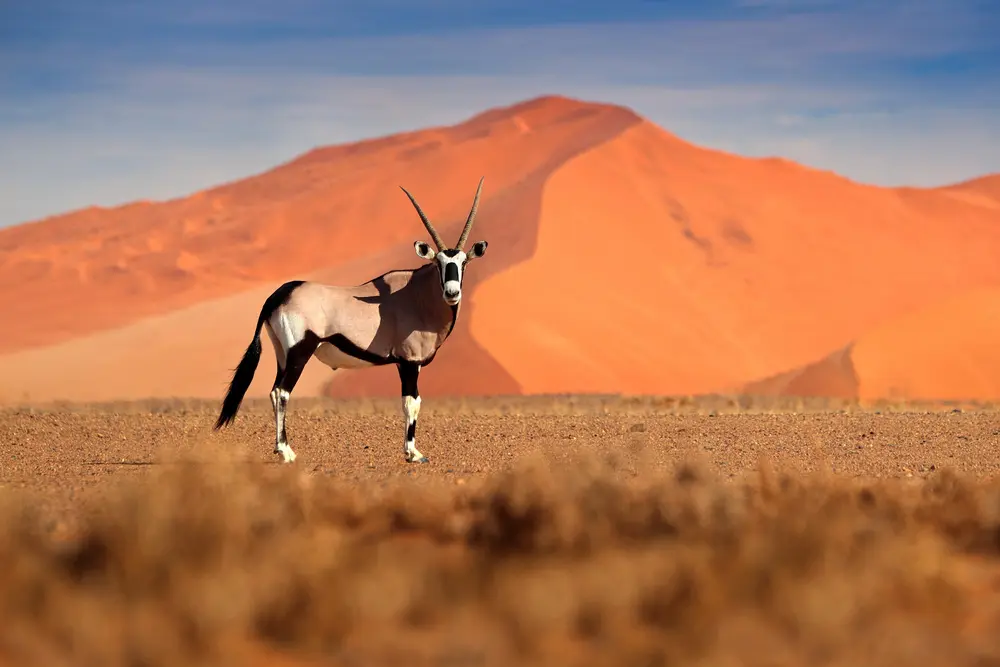
September is one of our favourite months for Namibia. Conditions are typically very dry, with warm days and generally clear skies.
In Etosha National Park, wildlife is heavily dependent on permanent waterholes, making September excellent for game viewing. Elephant, zebra, giraffe, antelope and predators can all be seen gathering around these limited water sources.
It is also a good month for a wider Namibia circuit combining Sossusvlei, Swakopmund, Damaraland and Etosha. Daytime temperatures are becoming warmer, while nights are generally less cold than during the middle of winter.
South Africa
September is a very good month to combine different regions of South Africa because spring is arriving across the country.
In Kruger National Park and the surrounding private reserves, conditions are still predominantly dry. Vegetation remains relatively sparse and animals gather around rivers and permanent water, making wildlife easier to locate.
In the Western Cape, temperatures are beginning to rise and the landscape moves into spring. Depending on seasonal rainfall, September can also coincide with impressive wildflower displays along the West Coast and farther north.
This makes September a particularly good month for travellers wanting to combine Cape Town with a safari in the northeast.
Zambia and Zimbabwe
September is one of the strongest safari months in both Zambia and Zimbabwe. The dry season is well established, temperatures are rising and wildlife is increasingly concentrated around rivers, lagoons and permanent water.
In Zambia, areas such as South Luangwa and the Lower Zambezi can offer superb wildlife viewing. In Zimbabwe, Hwange National Park becomes increasingly rewarding as animals gather around the park’s waterholes.
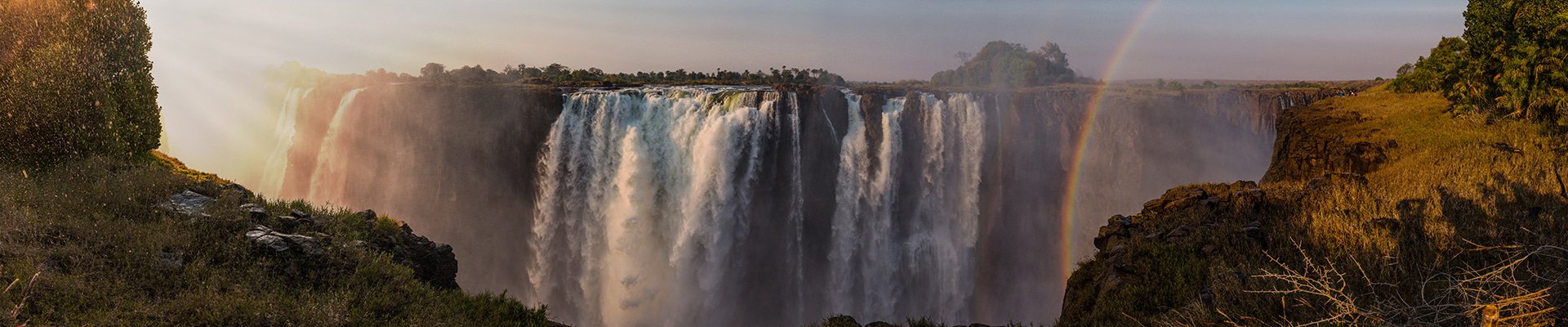
Victoria Falls is at a lower water level than during the peak flood months. The spectacle is different, with less spray and better visibility of sections of the rock face and gorge. Scenic helicopter flights can be particularly worthwhile at this time of year because the shape and scale of the falls are easier to appreciate from above.
Madagascar
September is also a very good month to consider Madagascar. It falls within the island’s cooler and drier season, making road travel and access to national parks easier than during the wet summer months.
Wildlife viewing is rewarding, and lemurs, reptiles and birds are active across many of the country’s protected areas. As spring approaches, some species become increasingly active and the landscapes begin to change before the arrival of the warmer months.
September works particularly well for travellers wanting to combine several contrasting regions, although Madagascar’s long road distances mean itineraries still need to be planned carefully.
So, where is best for an African safari in September?
September is one of those months when there are several excellent choices, so the best destination depends on your priorities.
- For the Great Migration: Kenya and northern Tanzania
- For gorilla trekking: Rwanda and Uganda
- For the Okavango Delta and excellent dry season wildlife: Botswana
- For Etosha and a classic Namibia circuit: Namibia
- For concentrated dry season game viewing: Zambia and Zimbabwe
- For Cape Town combined with safari: South Africa
- For lemurs, landscapes and national parks: Madagascar
Because September is such a popular safari month, it is worth planning well ahead, especially if you have particular camps, lodges or wildlife areas in mind.
If you are thinking about travelling to Africa in September, we can help you compare the different destinations and choose the areas that best suit your interests, travel style and budget. You are welcome to book a phone or Zoom conversation with us to start exploring the possibilities.