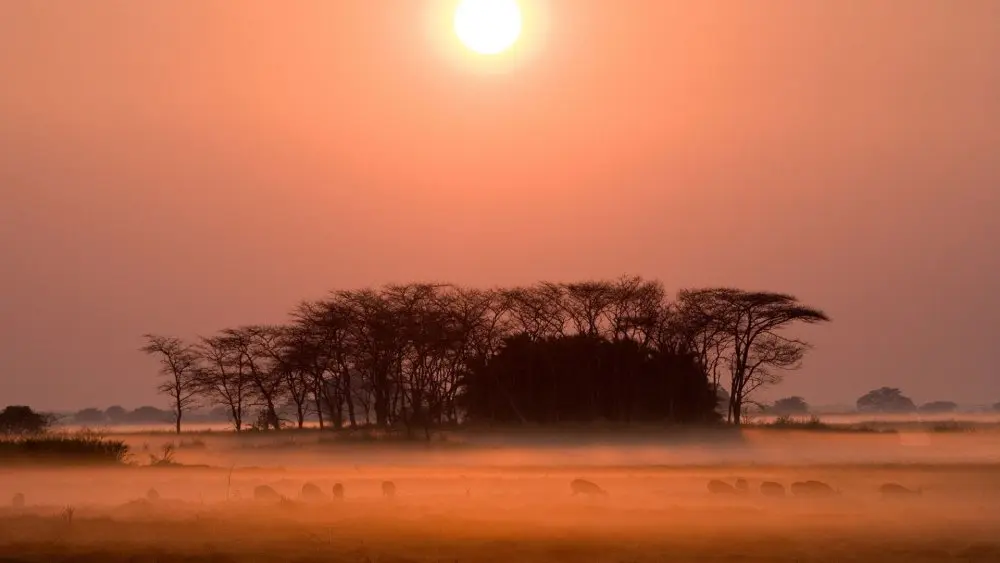
January can be a fantastic month for an African safari, but choosing the right destination makes all the difference. Across much of Southern Africa it is the green season, bringing summer rain, dramatic skies, lush landscapes, newborn animals and excellent birdlife. In East Africa, January can offer very rewarding wildlife viewing, including the gathering of the Great Migration herds on the southern Serengeti plains.
For travellers wanting a combination of wildlife, generally good travelling conditions and fewer crowds than some peak season months, Tanzania, Kenya, Rwanda and Uganda are all worth considering. In Southern Africa, Botswana’s Central Kalahari is a particular highlight during the green season, while destinations such as Zambia and Zimbabwe are wetter and some camps may be closed.
Where to go on safari in East Africa in January?
| Country | Safari Area | Rating | Typical Temperatures | Typical Rainfall |
|---|---|---|---|---|
| Kenya | Masai Mara | BEST | 12°C to 28°C | Approx. 95 mm |
| Tanzania | Serengeti | BEST | 15°C to 27°C | Approx. 89 mm |
| Rwanda | Volcanoes National Park | GOOD | 7°C to 15°C | Approx. 129 mm |
| Uganda | Bwindi Impenetrable National Park | BEST | 12°C to 22°C | Approx. 86 mm |
Tanzania
Tanzania is one of our favourite safari destinations in January, particularly the Northern Circuit.
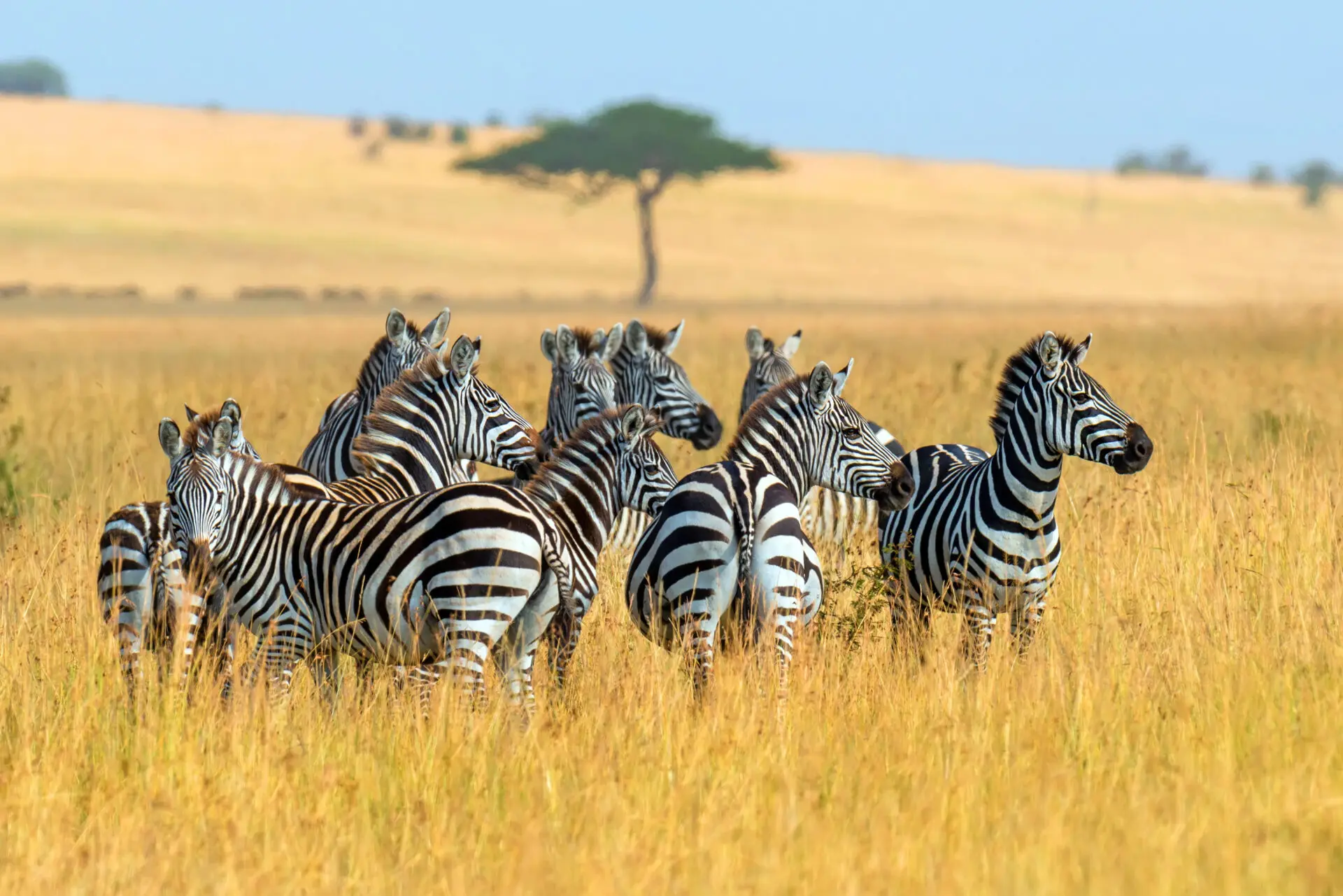
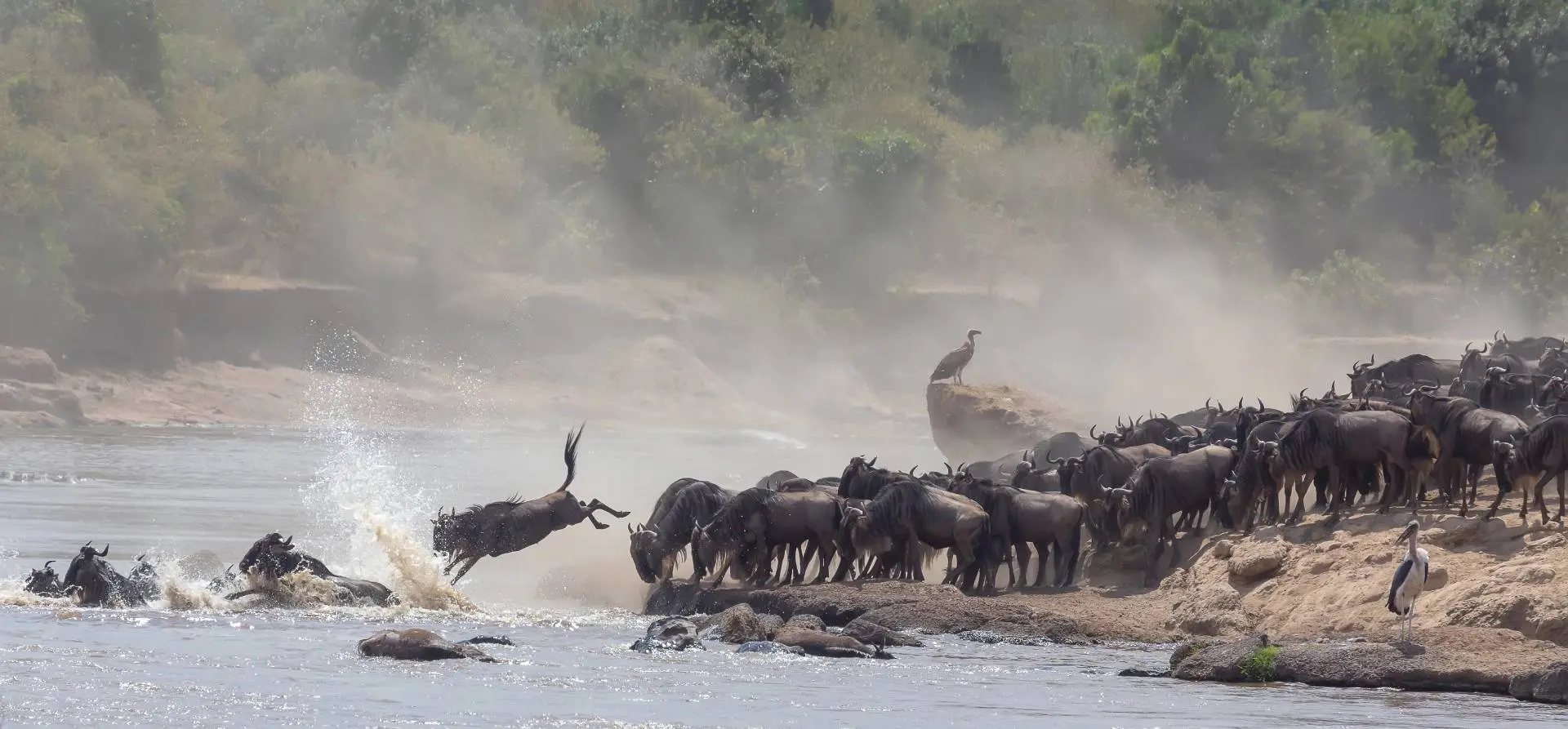
By January, huge numbers of wildebeest and zebra have moved south through the Serengeti ecosystem and are gathering on the nutrient rich short grass plains of the southern Serengeti and Ndutu area. The landscape is green and full of life, with the first wildebeest calves beginning to arrive as the main calving period approaches.
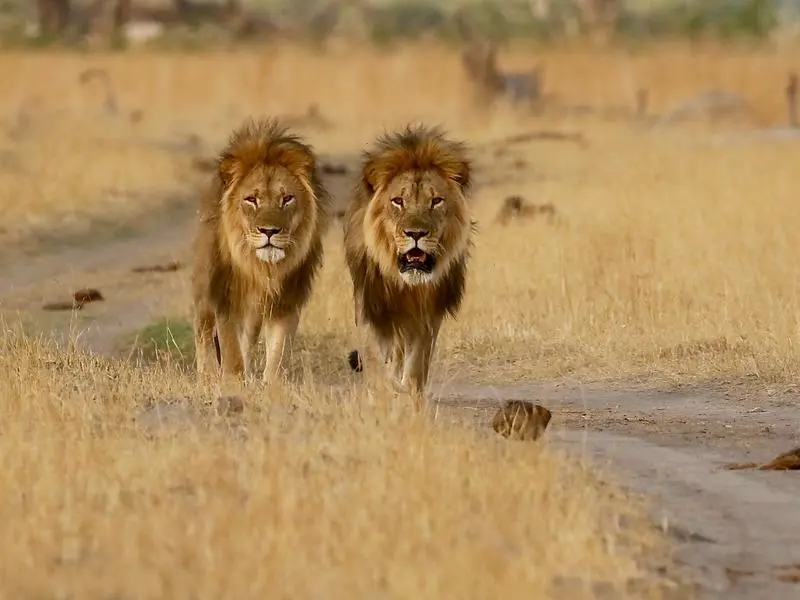
Calving activity builds through January and continues into February, bringing plenty of predator activity as lions, cheetahs and hyenas follow the herds. It is a wonderful time for photographers, with green landscapes, dramatic skies and vast concentrations of wildlife.
The Serengeti National Park can be combined easily with the Ngorongoro Conservation Area and Ngorongoro Crater, making January an excellent time for a Tanzania safari.
Kenya
Although the large migratory wildebeest and zebra herds have moved south into Tanzania, Kenya still has superb resident wildlife throughout the year.
January can be particularly enjoyable in Kenya’s private wildlife conservancies. These conservancies offer a more exclusive style of safari, with fewer vehicles and additional activities that are not generally permitted inside national parks and reserves.
Depending on the conservancy, activities can include off road game viewing, guided nature walks and night game drives. Vehicle numbers at wildlife sightings are also usually controlled, creating a quieter and more intimate safari experience.
Areas such as the greater Masai Mara ecosystem, Laikipia and other private conservancies remain excellent options for travellers wanting a January safari without travelling specifically for the Great Migration.
Rwanda and Uganda
January is also a very good month to consider gorilla trekking in Rwanda or Uganda.
Both countries are mountainous and tropical, so rain is possible at any time of year. However, January generally falls within one of the drier periods, which can make forest trails a little easier to negotiate than during the heavier rainy seasons.
In Rwanda, mountain gorillas are tracked in Volcanoes National Park, while Uganda offers gorilla trekking in Bwindi Impenetrable National Park and Mgahinga Gorilla National Park.
A gorilla trek can be combined with a traditional wildlife safari, chimpanzee trekking or other primate experiences, making Rwanda and Uganda excellent choices for travellers looking for something very different from a classic savannah safari.
Where to go on safari in Southern Africa in January?
January is the height of summer across much of Southern Africa and is also one of the wetter months of the year.
Rather than seeing the rain as entirely negative, it is worth remembering that the green season transforms the landscape. Vegetation becomes lush, many antelope species have young, migratory birds arrive and afternoon thunderstorms can create spectacular skies.
The trade off is that wildlife can be more dispersed, some roads become difficult and certain seasonal camps close until the drier months.
| Country | Safari Area | Rating | Typical Temperatures | Typical Rainfall |
|---|---|---|---|---|
| Botswana | Khwai / Okavango | LOW | 17°C to 35°C | Approx. 110 mm |
| Madagascar | Andasibe-Mantadia | MIXED | 17°C to 28°C | Approx. 336 mm |
| Namibia | Etosha | LOW | 16°C to 35°C | Approx. 93 mm |
| South Africa | Kruger | MIXED | 18°C to 34°C | Approx. 101 mm |
| Zambia | South Luangwa | LOW | 18°C to 33°C | Approx. 230 mm |
| Zimbabwe | Hwange | LOW | 14°C to 33°C | Approx. 134 mm |
Botswana
If you are travelling to Botswana in January, the Central Kalahari Game Reserve is one of the most interesting places to consider.
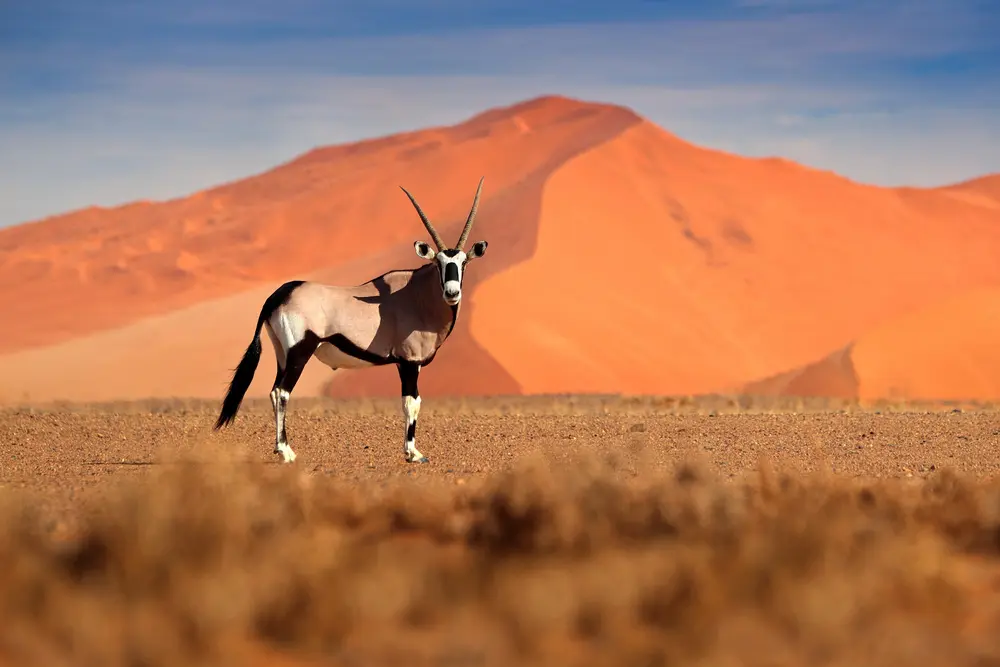
Summer rains transform the normally dry Kalahari into green grasslands. Springbok, gemsbok, wildebeest and other herbivores gather to feed on the fresh growth, which in turn attracts predators.
Deception Valley and the northern areas of the Central Kalahari can be particularly rewarding after good summer rains. It is a completely different experience from a traditional dry season Botswana safari and is an excellent option for travellers who enjoy wide open landscapes, birdlife and fewer visitors.
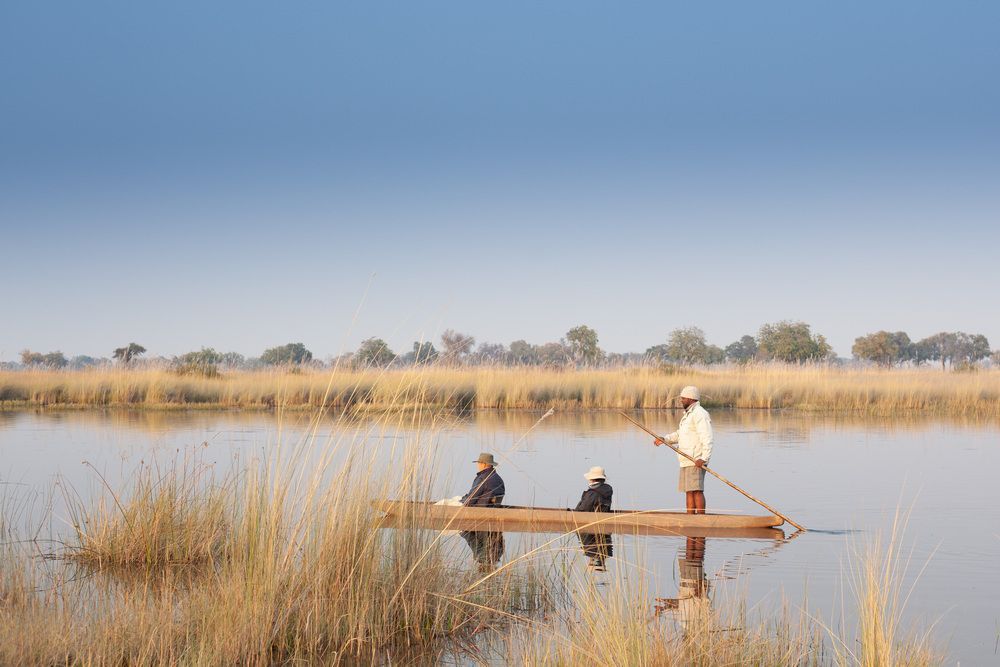
Other parts of Botswana, including the Okavango Delta and Chobe region, are also green at this time of year, although wildlife may be more dispersed than during the dry winter months.
Zimbabwe
Zimbabwe is in its summer rainy season in January. Hwange National Park becomes beautifully green, with excellent birdlife and plenty of young animals.
Wildlife is generally more dispersed because natural water is widely available, so January does not provide the same concentrated game viewing around waterholes that you see later in the dry season.
Some camps also close during the rains, so the choice of accommodation is more limited. For travellers who are comfortable with summer showers, however, the green landscapes and quieter safari areas can be very appealing.
Namibia
January is midsummer in Namibia. Conditions are generally hotter and the northern and central parts of the country receive most of their annual rainfall during the summer months.
Rain often arrives as afternoon thunderstorms rather than continuous all day rain, although heavy rainfall can affect road conditions in some areas.
The landscape can look surprisingly green after rain, and birdlife is excellent. Wildlife around Etosha is usually more dispersed because animals are no longer as dependent on permanent waterholes, so January offers a very different experience from Namibia’s dry season.
Zambia
January falls in the heart of Zambia’s rainy season.
Many remote bush camps close during this period because dirt roads become difficult or impossible to use and rivers and floodplains can rise considerably.
There are still places that remain open, but for a first time Zambia safari we would generally recommend travelling during the drier months when a wider choice of camps and safari areas is accessible.
South Africa
South Africa is a little different because of its varied climate.
Cape Town and the Western Cape are enjoying their warm, dry summer weather in January, making this one of the most popular times to visit.
Kruger National Park and the surrounding private game reserves are in their summer rainfall season. The bush is green and often thicker, which can make spotting wildlife more challenging, but it is also a beautiful time of year with excellent birdlife and plenty of young animals.
A January itinerary combining Cape Town with a few nights on safari can therefore work very well.
Madagascar
January is not usually our first choice for a Madagascar itinerary.
It is one of the country’s hottest and wettest months and falls within the tropical cyclone season. Heavy rain can affect roads and access to some national parks, particularly in more remote parts of the country.
For travellers whose priority is wildlife, national parks and overland touring, there are generally better months to visit Madagascar.


So, where is best for an African safari in January?
There is no single best destination because it depends on the type of safari you want.
- For the Great Migration and increasing calving activity: Tanzania
- For excellent wildlife and private conservancies: Kenya
- For gorilla trekking and primates: Rwanda and Uganda
- For a Southern African green season safari: Botswana’s Central Kalahari
- For Cape Town combined with safari: South Africa
January is often overlooked because many travellers automatically associate African safaris with the dry season. In the right destination, however, it can offer superb wildlife, fewer visitors, beautiful green landscapes and some very special seasonal experiences.
If you are thinking about travelling to Africa in January, we can help you work through the different options and choose the destinations that best suit your interests, travel style and budget. You are welcome to book a phone or Zoom conversation with us to start exploring the possibilities.