
July is one of Africa’s strongest safari months. In East Africa, the dry season is well established and the Great Migration is moving through northern Tanzania and into the greater Masai Mara ecosystem. Across Southern Africa, cool winter weather and increasingly dry conditions concentrate wildlife around permanent water, making game viewing particularly rewarding.
It is also firmly high season in many destinations. Popular camps can fill well in advance and pricing is generally higher than during the shoulder months. For travellers who prioritise wildlife, however, July offers an exceptional choice of safari regions.
Where to go on safari in East Africa in July?
July is one of the best months for East Africa. Conditions are usually dry and comfortable, roads are easier to navigate and wildlife is increasingly concentrated around reliable water and grazing areas.
| Country | Safari Area | Rating | Typical Temperatures | Typical Rainfall |
|---|---|---|---|---|
| Kenya | Masai Mara | BEST | 12°C to 25°C | Approx. 60 mm |
| Tanzania | Serengeti | BEST | 13°C to 25°C | Approx. 14 mm |
| Rwanda | Volcanoes National Park | BEST | 7°C to 15°C | Approx. 34 mm |
| Uganda | Bwindi Impenetrable National Park | BEST | 12°C to 21°C | Approx. 38 mm |
Kenya
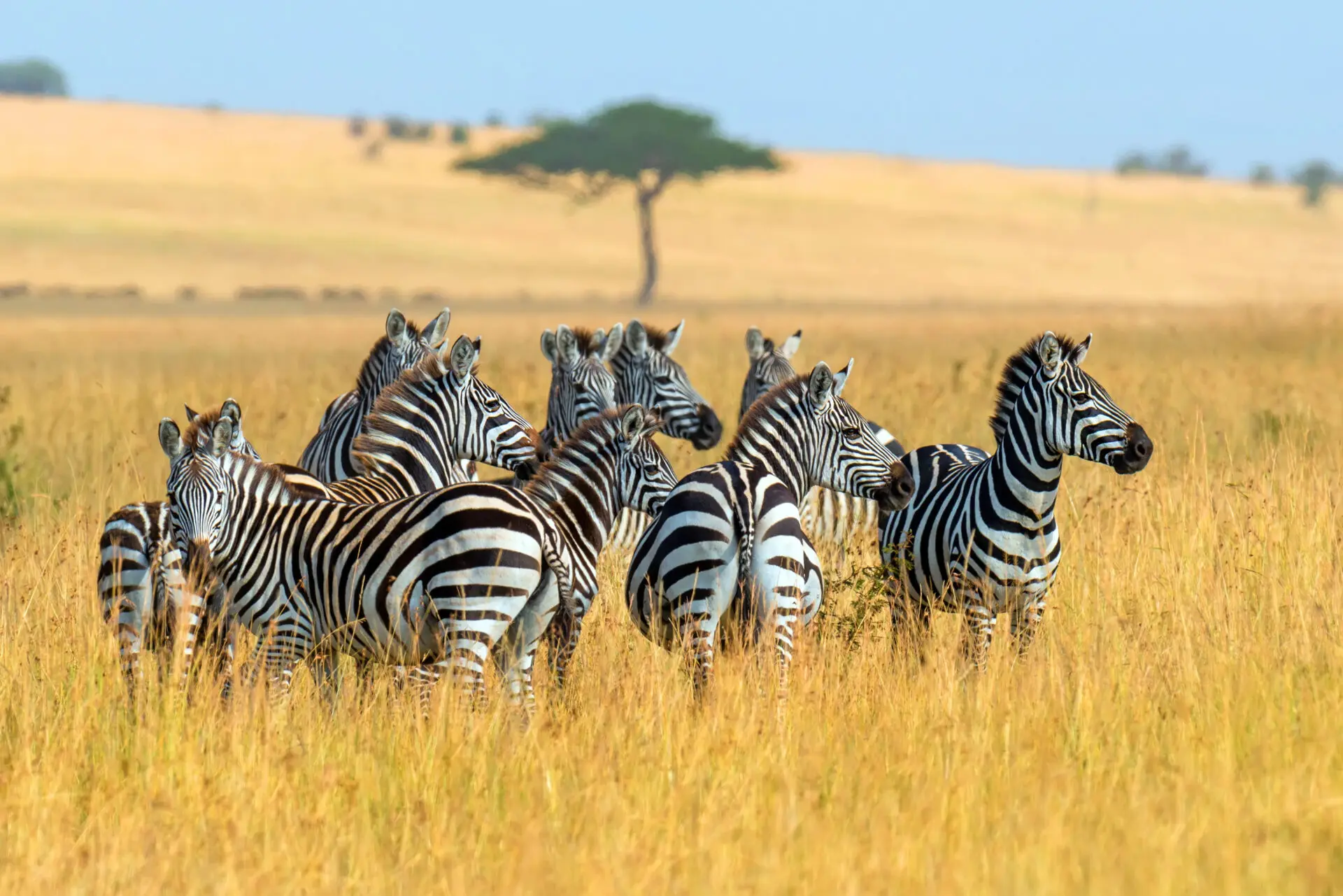
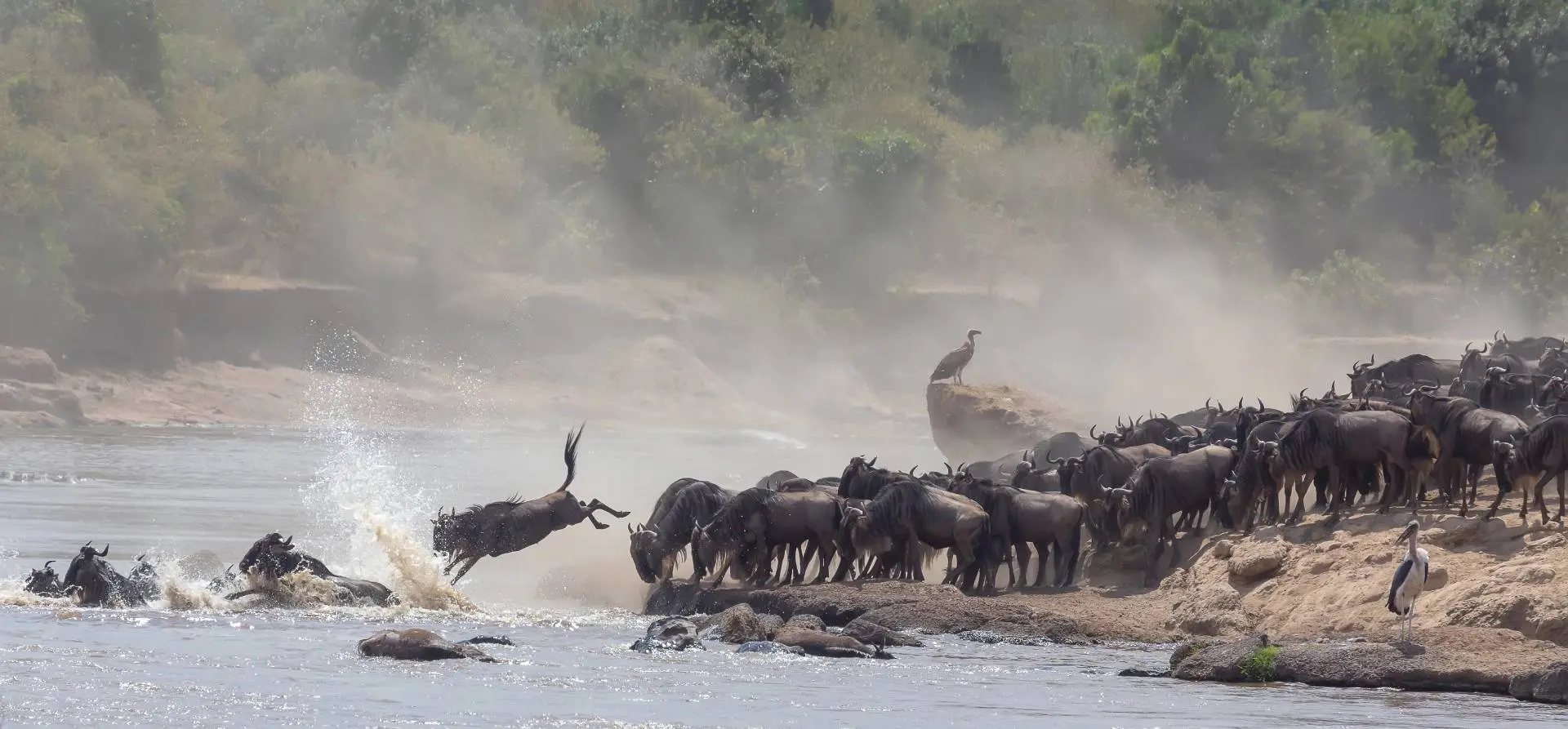
July marks the beginning of one of the most exciting periods in the Masai Mara ecosystem. Depending on rainfall and grazing conditions, increasing numbers of wildebeest and zebra may begin arriving from Tanzania during the month.
Mara River crossings can occur in July, but they should never be treated as guaranteed. The herds move according to food, water and weather, and they can gather near a crossing point for hours or days before changing direction.
Even without a river crossing, the combination of large plains game herds, resident predators and open grasslands makes July an outstanding safari month in Kenya.
Private conservancies around the Mara are especially appealing during this busy period. They generally have lower vehicle numbers than the national reserve and, depending on the conservancy, may also offer guided walks, night game drives and off road wildlife viewing.
Tanzania
July is an important month for the Great Wildebeest and Zebra Migration in Tanzania.
The herds are generally moving through the northern Serengeti National Park, with some groups reaching the Mara River and the border region with Kenya. The precise timing varies from year to year, so some herds may still be farther south while others have already reached the northern Serengeti.
River crossings may begin during July, particularly later in the month, but they are unpredictable and can never be promised. Northern Serengeti is still extremely rewarding even when no crossing takes place because the concentration of wildebeest, zebra and predators can be exceptional.
Elsewhere in Tanzania, Tarangire and the Ngorongoro Conservation Area are firmly in their dry season pattern, making July an excellent month for a broader northern circuit safari.
Rwanda and Uganda
July is one of the best months for gorilla trekking in Rwanda and Uganda. Rainfall is generally lower, trails tend to be firmer and daytime temperatures are comfortable for trekking.
These are rainforest environments, so showers can still occur at any time and waterproof clothing remains essential. The main seasonal advantage is usually easier trail conditions rather than any guarantee of completely dry weather.
Uganda can also be combined with chimpanzee trekking and wildlife areas such as Queen Elizabeth National Park, while Rwanda can combine Volcanoes National Park with Akagera National Park.
Where to go on safari in Southern Africa in July?
July is peak dry season across much of Southern Africa. Rain is uncommon in the main inland safari regions, vegetation continues to thin and wildlife becomes increasingly dependent on permanent rivers, lagoons and waterholes.
| Country | Safari Area | Rating | Typical Temperatures | Typical Rainfall |
|---|---|---|---|---|
| Botswana | Khwai / Okavango | BEST | 10°C to 24°C | Approx. 0 mm |
| Madagascar | Andasibe-Mantadia | GOOD | 9°C to 22°C | Approx. 91 mm |
| Namibia | Etosha | BEST | 8°C to 25°C | Approx. 0 mm |
| South Africa | Kruger | BEST | 11°C to 24°C | Approx. 9 mm |
| Zambia | South Luangwa | BEST | 13°C to 26°C | Approx. 0 mm |
| Zimbabwe | Hwange | BEST | 9°C to 23°C | Approx. 0 mm |
Botswana
July is one of the best months to visit Botswana. The weather is dry, mornings can be very cold and daytime temperatures are usually comfortable.
In the Okavango Delta, annual floodwaters from Angola are spread through many parts of the system. Water levels vary by location and from year to year, so not every camp experiences the same conditions at the same time.
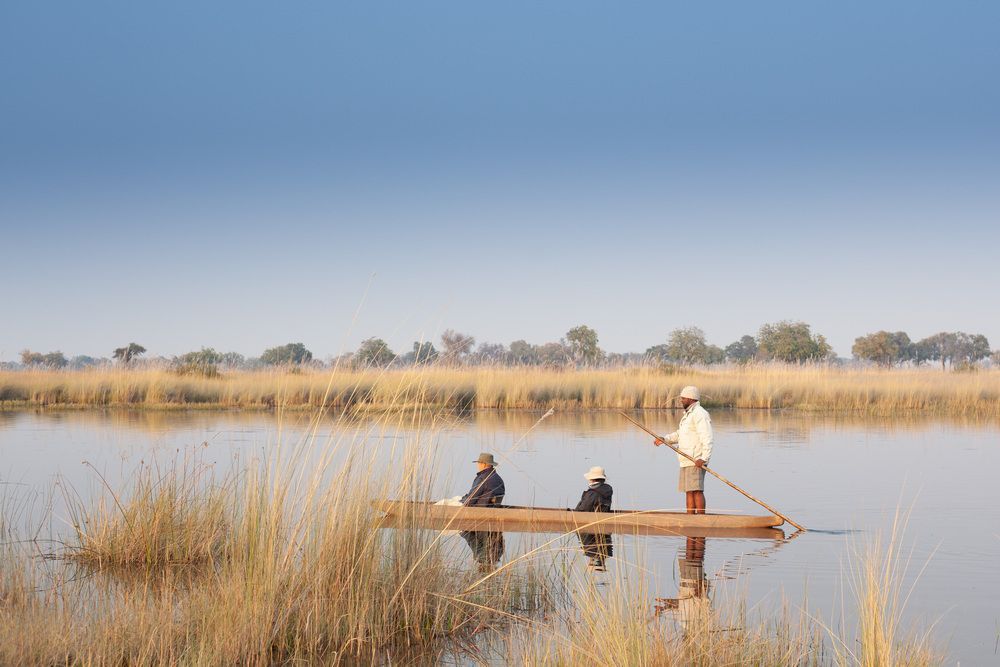
This contrast between dry winter weather and seasonal floodwater can create superb wildlife viewing. Game drives, boating and mokoro excursions may all be possible depending on the camp and local water levels.
Chobe and the Linyanti region are also excellent in July as wildlife increasingly gathers along permanent rivers and channels.
Zimbabwe
July is an excellent safari month in Zimbabwe. Hwange National Park becomes progressively drier and large numbers of animals gather around permanent and pumped waterholes.
Mana Pools also enters one of its strongest periods, with dry conditions making wildlife easier to locate along the Zambezi floodplain and surrounding areas.
Victoria Falls remains impressive in July. Water levels are lower than during the March and April peak, which means less spray and increasingly clear views of the Falls and gorge.
Namibia
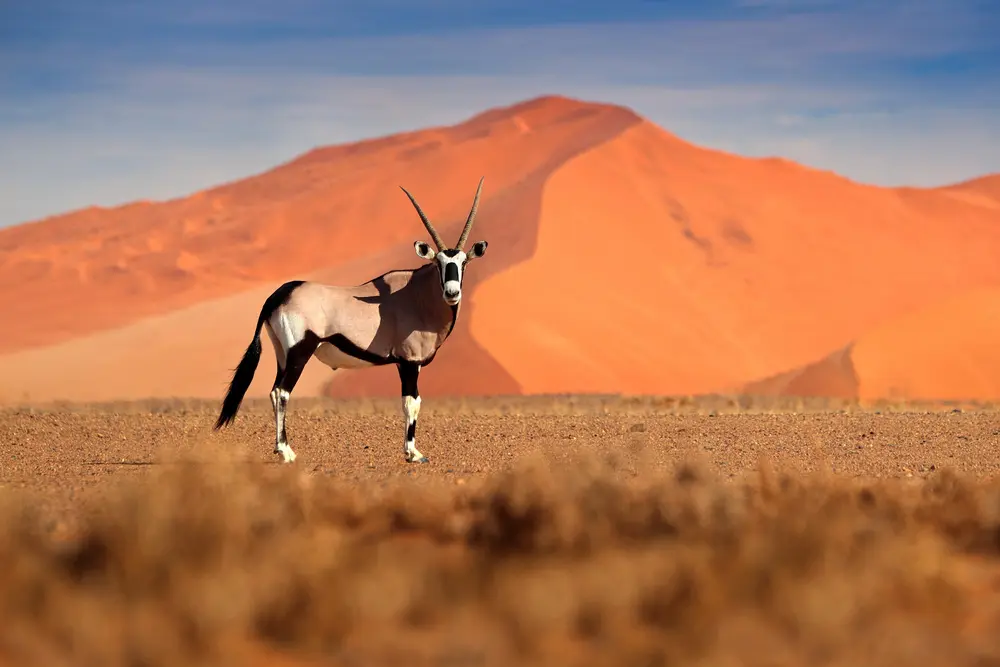
July is one of the strongest months for a Namibia safari. Conditions are dry, skies are generally clear and wildlife viewing in Etosha National Park is excellent as animals gather around permanent waterholes.
It is also a very good month for a wider Namibia circuit combining Sossusvlei, Swakopmund, Damaraland and Etosha.
The main consideration is temperature. Desert and inland mornings can be extremely cold, particularly before sunrise and on open safari vehicles, so warm layers are essential.
Zambia
July is an excellent month in Zambia. The dry season is firmly established, most seasonal bush camps are operating and wildlife becomes increasingly concentrated around rivers, lagoons and permanent water.
South Luangwa National Park is particularly rewarding, with cool mornings, pleasant daytime temperatures and excellent conditions for walking safaris.
The Lower Zambezi is another strong choice, offering a combination of game drives, boating, canoeing and other river based activities depending on the lodge and local conditions.
South Africa
July is a classic dry season safari month in Kruger National Park and the surrounding private reserves.
The bush is thinner, natural water is limited and wildlife gathers increasingly around permanent water sources. Mornings and evenings can be cold, but days are usually dry and comfortable.
Cape Town and the Western Cape have a very different winter climate. July can bring rain, cooler temperatures and shorter days, although clear sunny periods are still possible and visitor numbers are lower than in summer.
Madagascar
July is a very good month to visit Madagascar. The dry season is well established, road conditions are generally reliable and most national parks are accessible.
It is an excellent time for itineraries focused on lemurs, forests and national parks, although evenings can be cool in the central highlands.
July is also part of the humpback whale season around parts of Madagascar’s coastline, particularly around Sainte Marie and the east coast, making it possible to combine land based wildlife with whale watching.
So, where is best for an African safari in July?
July is one of the easiest months in which to find excellent safari conditions across a wide range of African destinations.
- For the Great Migration: northern Tanzania and Kenya
- For gorilla trekking: Rwanda and Uganda
- For the Okavango Delta: Botswana
- For walking safaris: Zambia
- For dry season waterhole viewing: Namibia, Zimbabwe and South Africa
- For Victoria Falls with clearer views: Zimbabwe and Zambia
- For lemurs and whale watching: Madagascar
The main trade off in July is demand. This is peak season in many safari areas, so availability can be tight and prices are generally higher. Booking well in advance gives you a much better choice of camps and locations.
If you are thinking about travelling to Africa in July, we can help you compare the different destinations and choose the areas that best suit your interests, travel style and budget. You are welcome to book a phone or Zoom conversation with us to start exploring the possibilities.